
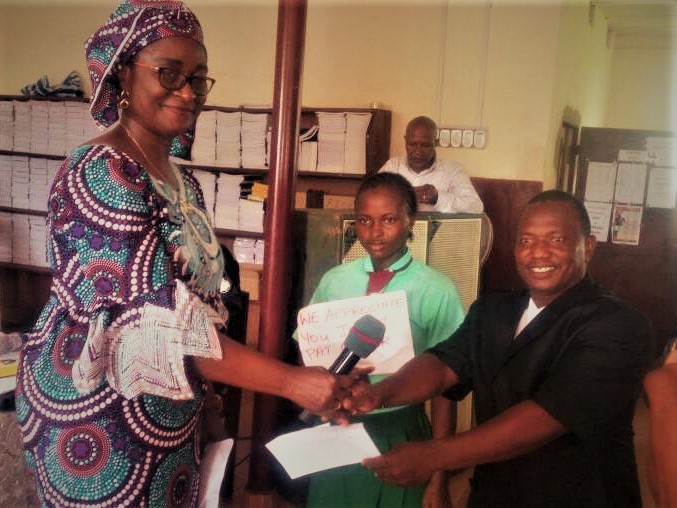
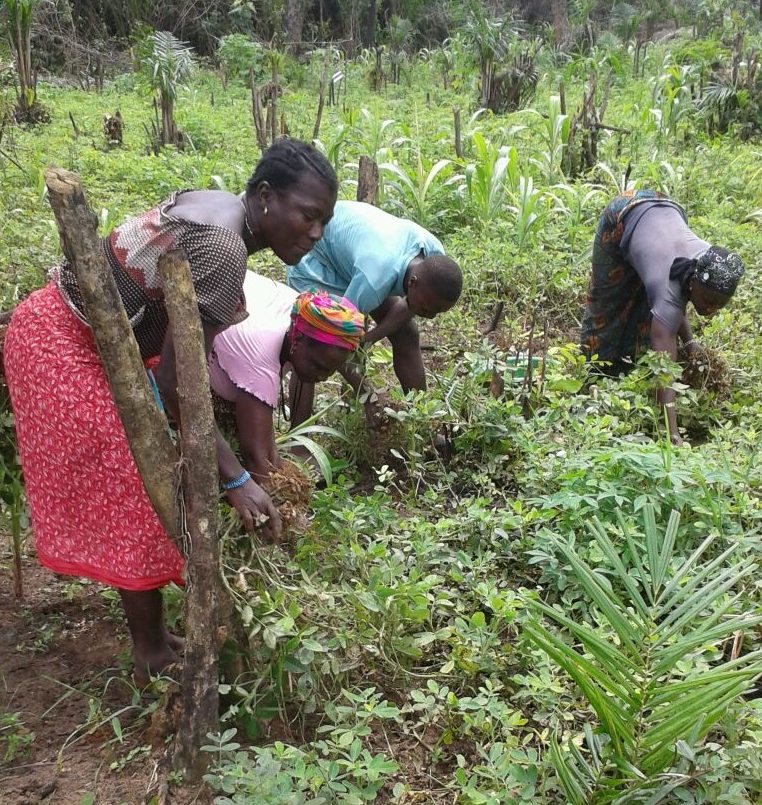
Sherbro Foundation is honored to announce that the Procter & Gamble Alumni Foundation Fund of the Greater Cincinnati Foundation has awarded us a grant to expand our transformative Let Them Earn project in Sierra Leone. With this funding, 50 more Bumpeh Chiefdom village farmers (majority women) can replicate the success of early participants improving their incomes, livelihoods, and futures.
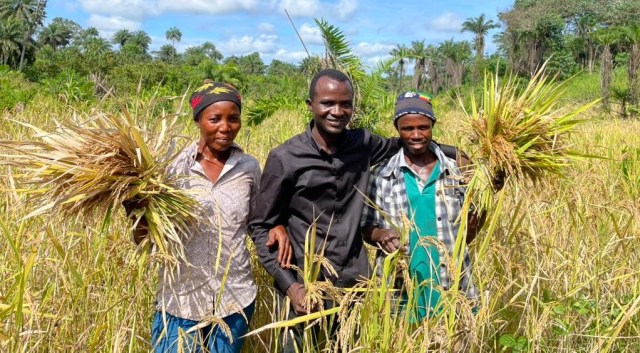
Through our local partner CCET-SL (Center for Community Empowerment & Transformation—Sierra Leone), Let Them Earn provides smallholder farmers with:
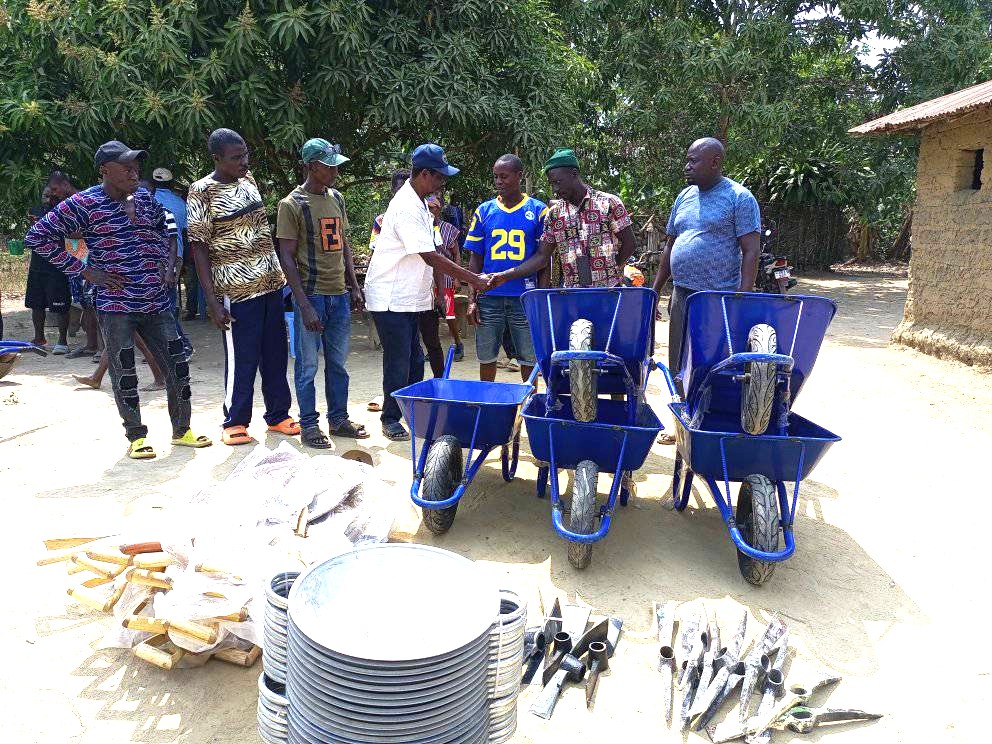
- Interest-free loans to expand their operations
- Year-round training on improved farming practices
- Classes on basic numeracy and small business management
After covering operating costs, setting aside family food, and repaying their loans, participants have net cash income to improve daily life and reinvest in their farms.
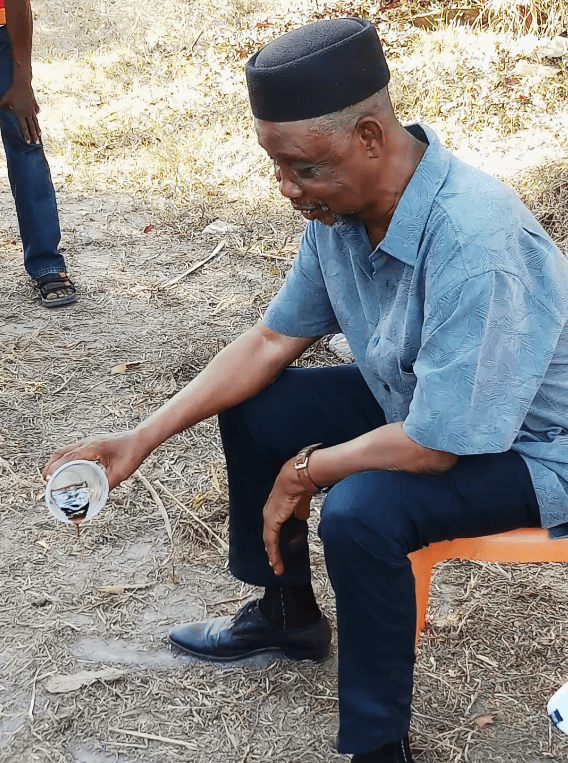
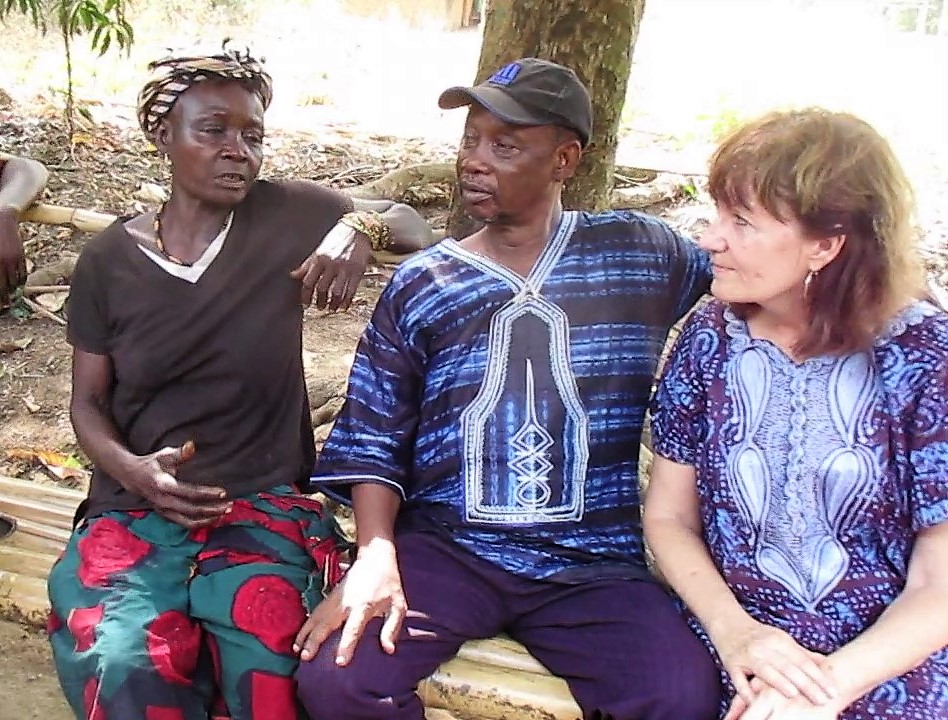
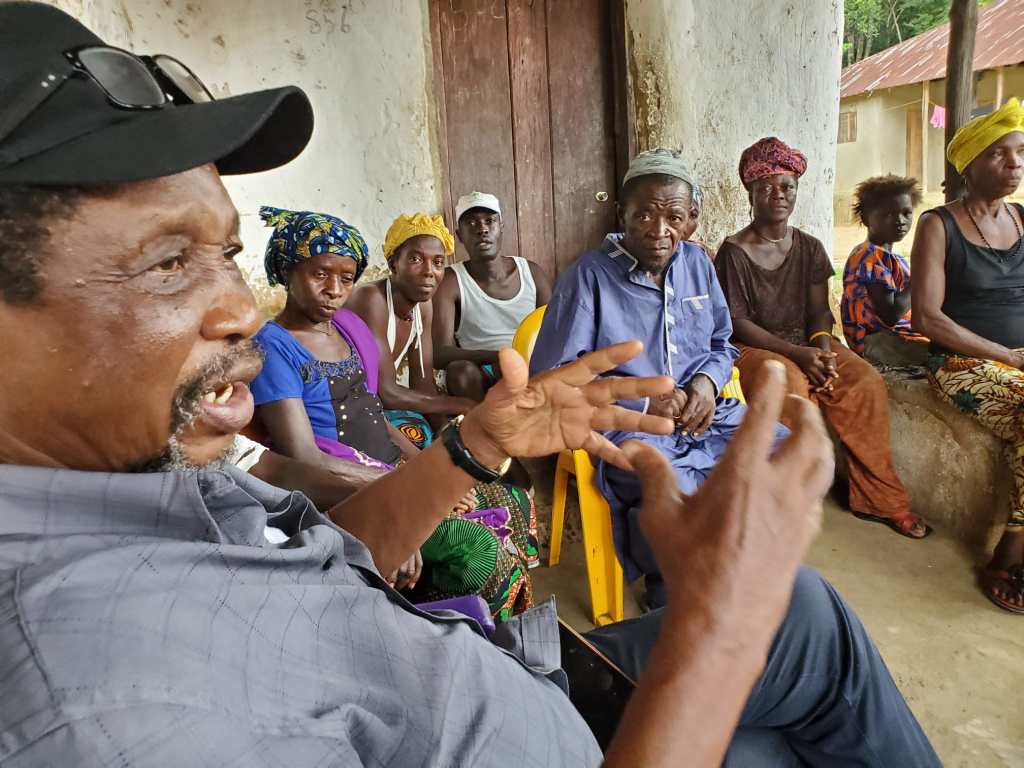
“This grant is a big leap forward that’s adding momentum to what we’re doing with village farmers,” said Bumpeh Chiefdom Paramount Chief Charles Caulker. below right with women farmers. “I want to create a culture of increased productivity where farmers continue to grow more, earn more, and villages lead their own development. I’m deeply grateful to the P&G Alumni Foundation for standing behind us with their support.”
Transforming Lives Through Economic Empowerment
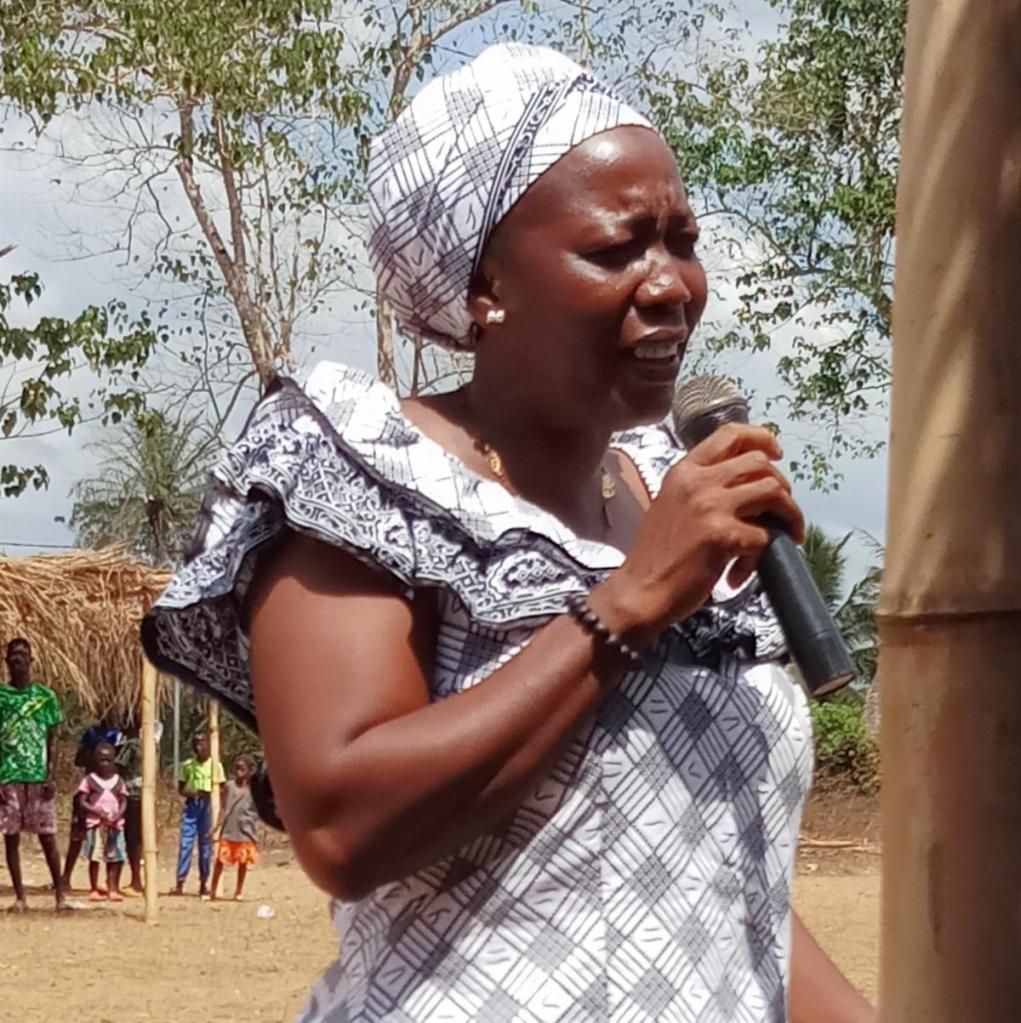
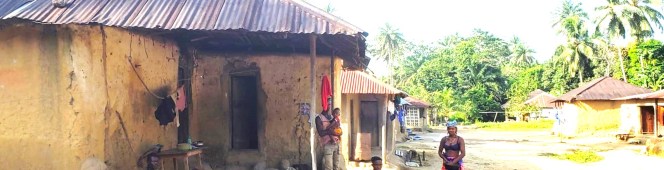
Musu Koroma, below, a mother of three, was one of the first farmers to join Let Them Earn. Last month, she showed me how new earnings from her loan changed her life. She reinforced her mud brick house with strong concrete stucco, safeguarding it for years to come from erosion and collapse in Sierra Leone’s heavy monsoon rains. She installed sturdy hardwood doors and windows that keep out rain and mosquitoes. With pride and confidence, Musu is now sending her son to secondary school in a larger town.
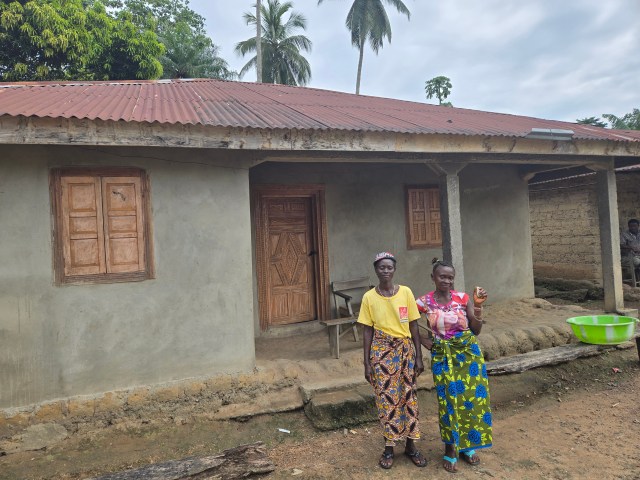
With earnings from her three-acre farm, Musu Koroma, above left, strengthened her house, before like the mud brick house next door.
“Let Them Earn has helped me so much,” Musu said. “I can now do things I never thought possible.”
Results Speak for Themselves
The impact has been dramatic. Families are sending children and grandchildren for higher levels of education. They have more food and can afford protein like fish, important for child development and disease resistance. Homes become safe and healthy places to live with dignity. Villages are becoming debt-free, and communities are rediscovering hope.
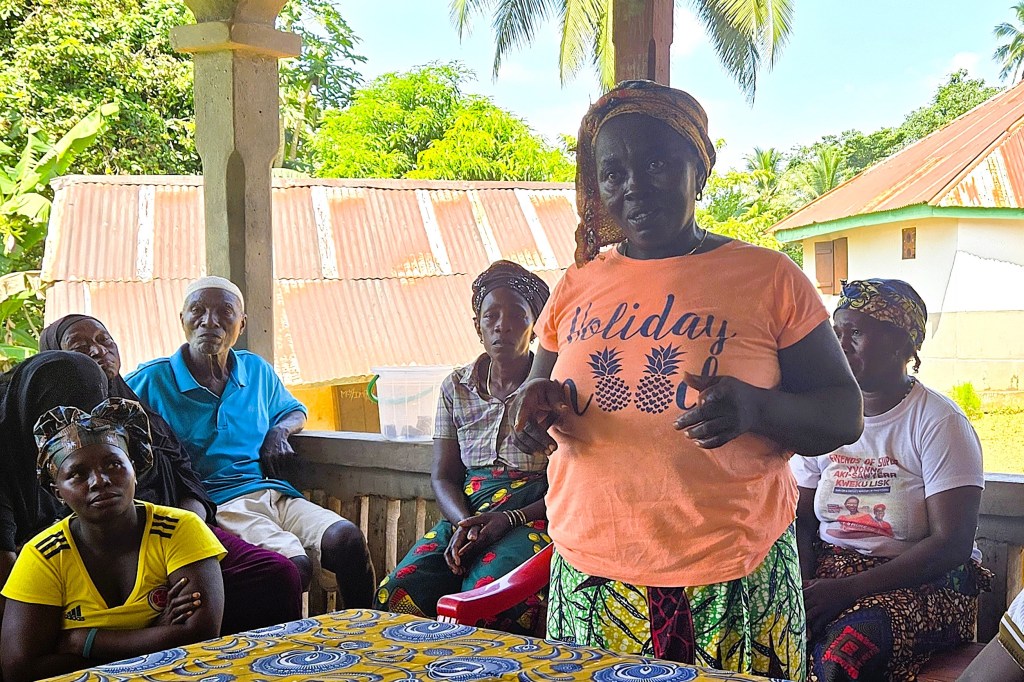
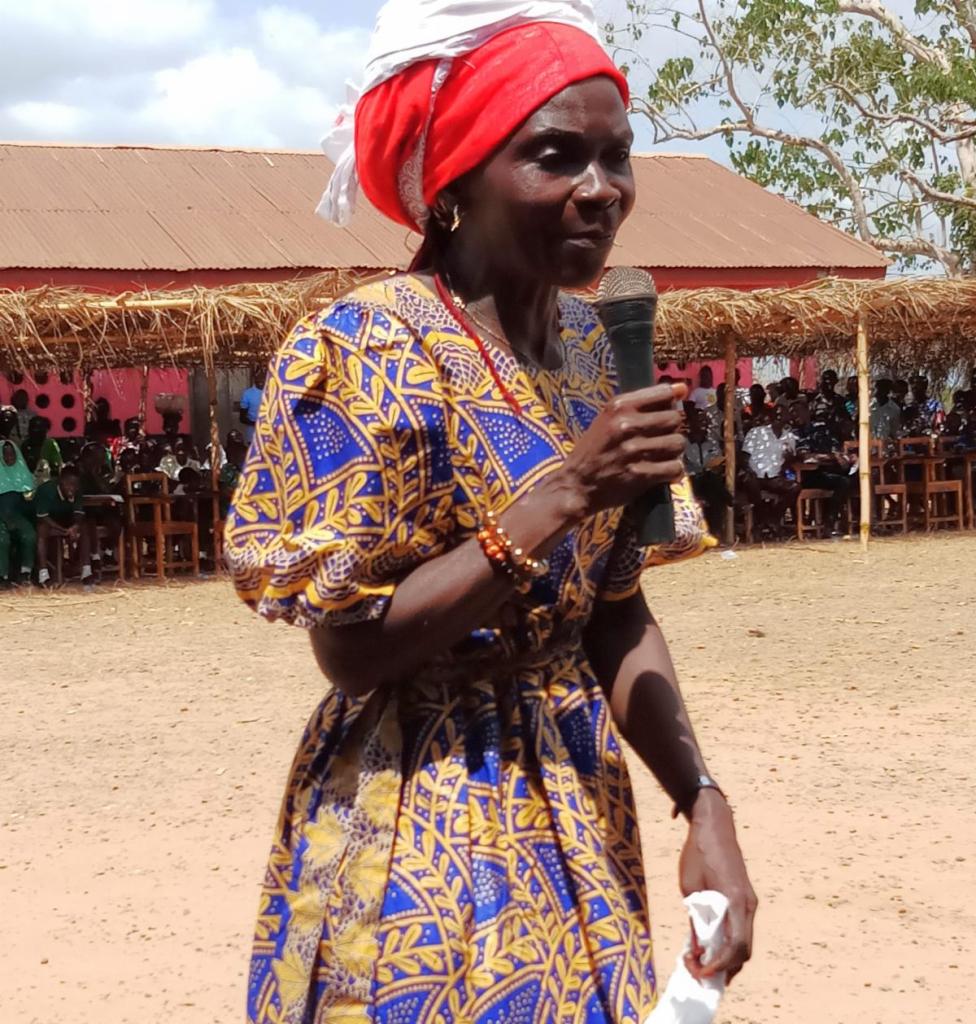
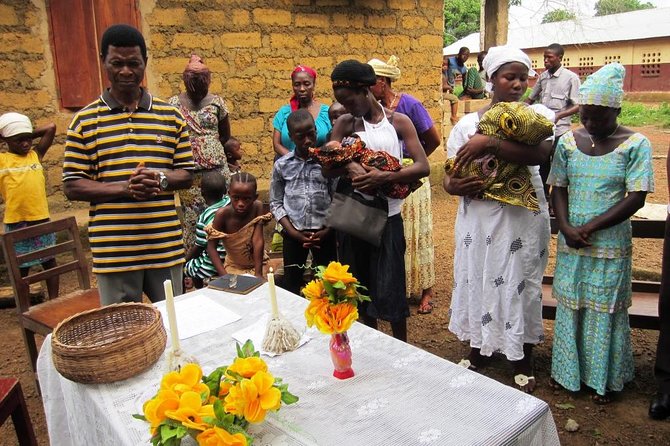
Aminata Sandy, above joined Let Them Earn after losing both her husband and the brother-in-law she became dependent on. With her loan, she hired labor for her farm, secured food for her children, and paid their school fees. As the loan recipient, she manages her farm and a household of eight. She’s repaid most of her loan, with the remainder coming with the year-end harvest.
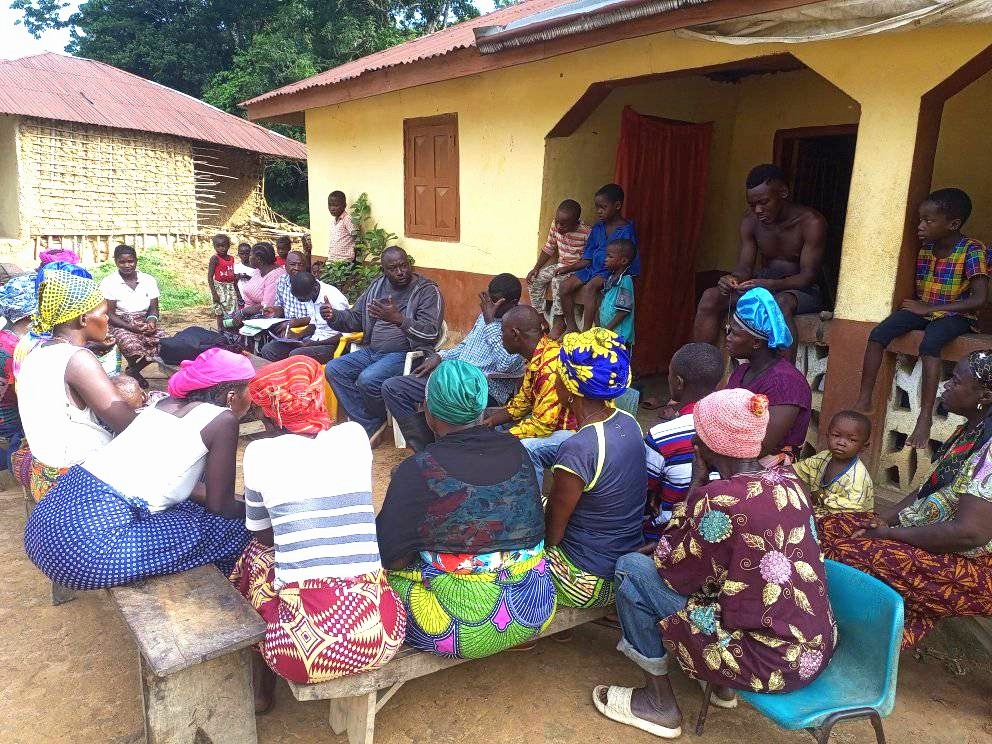
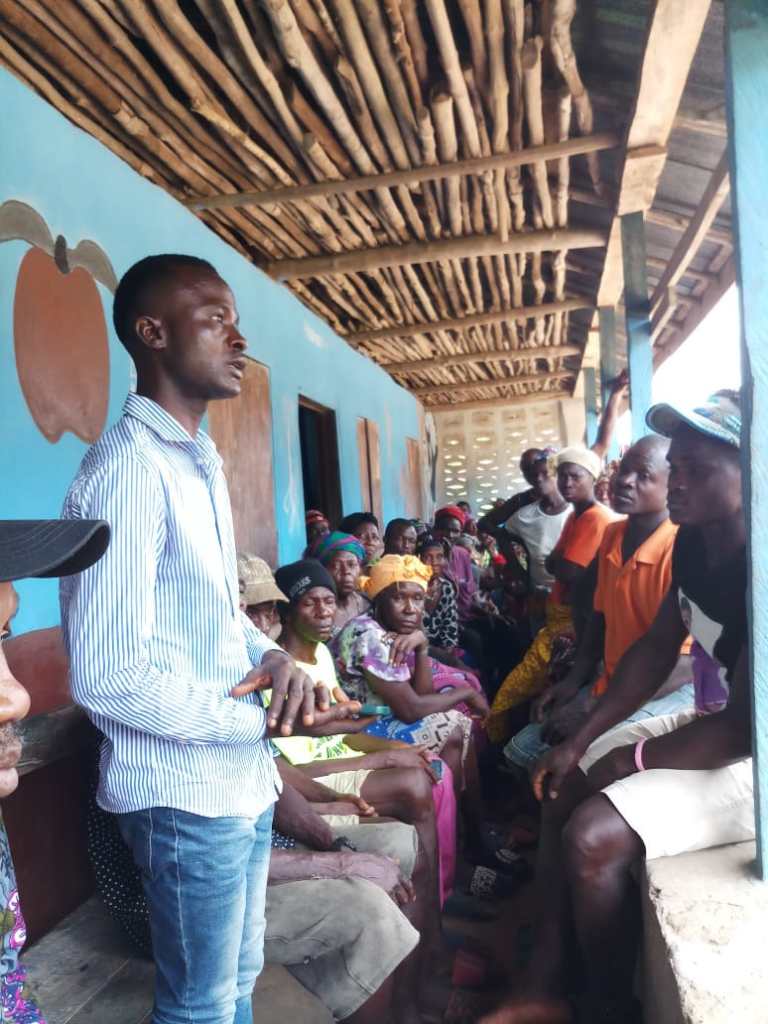
Aminata confidently stood up in front of her village and Paramount Chief Caulker to tell her story. When women are direct loan recipients, Let Them Earn empowers them to make farm and financial decisions. They’ve gained respect and a voice in managing their village.
Microfinance schemes in rural areas frequently fail. Our partner CCET-SL proudly reported 95+% of year one loans were repaid with the combination of interest-free loans and year-round training tailored to farmer needs. Year two Let Them Earn loan repayment promises to reach the same high level. Repaid loans are reloaned to the next group of farmers eager to improve their lives.
Why This Approach Works
After 14 years working with Sierra Leone, we’ve learned a vital truth: sustainable development doesn’t begin with what you construct — it begins with who you empower.
Schools, wells, and roads are important, but villages can’t develop or sustain growth unless individuals become economically self-reliant. Lasting change happens when you invest directly in people, giving them the means and skills to lift themselves out of poverty.
The Let Them Earn program brings together what truly works: financial access, practical skills, and local empowerment—helping farmers move from subsistence living to building viable, income-generating small businesses. Loans are repaid on schedules that match farm harvests.
Yes, it’s riskier to provide loans to subsistence farmers and small traders. It’s time-intensive to deliver hands-on training in remote villages and provide ongoing coaching. But this is what actually works. This is what moves people and entire communities beyond survival mode to genuine economic opportunity.
Sherbro Foundation sends our deep thanks to the P&G Alumni Foundation for their continued confidence and partnership in Let Them Earn. Year three of the project will bring even greater growth and opportunity to the villages of Bumpeh Chiefdom.
For program details: https://conta.cc/4oVfeom
You can help support Sierra Leone farmers: https://sherbrofoundation.org/donate/





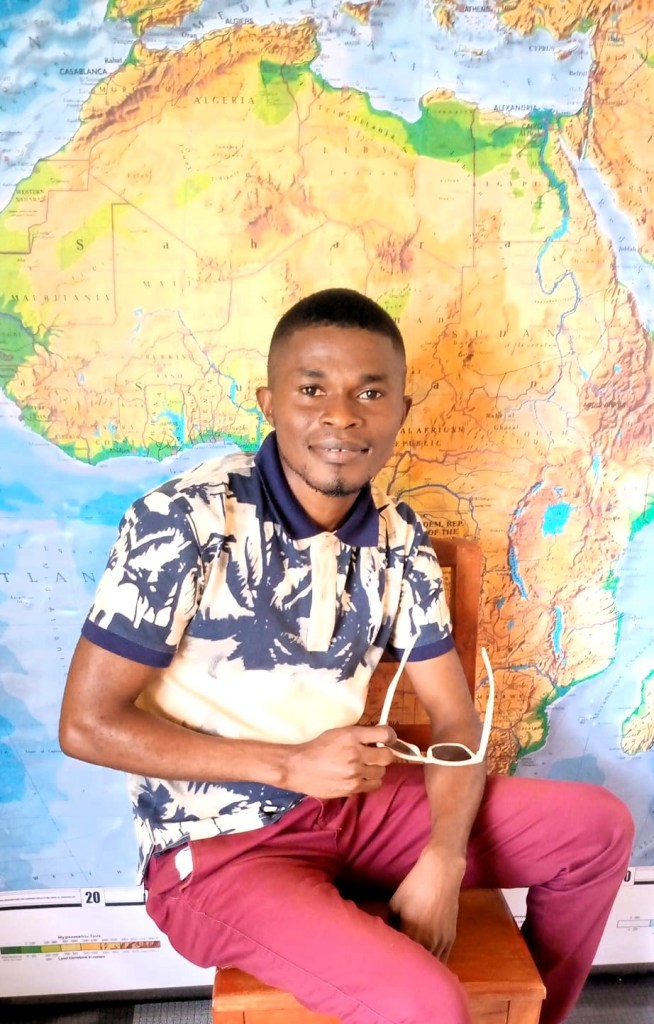
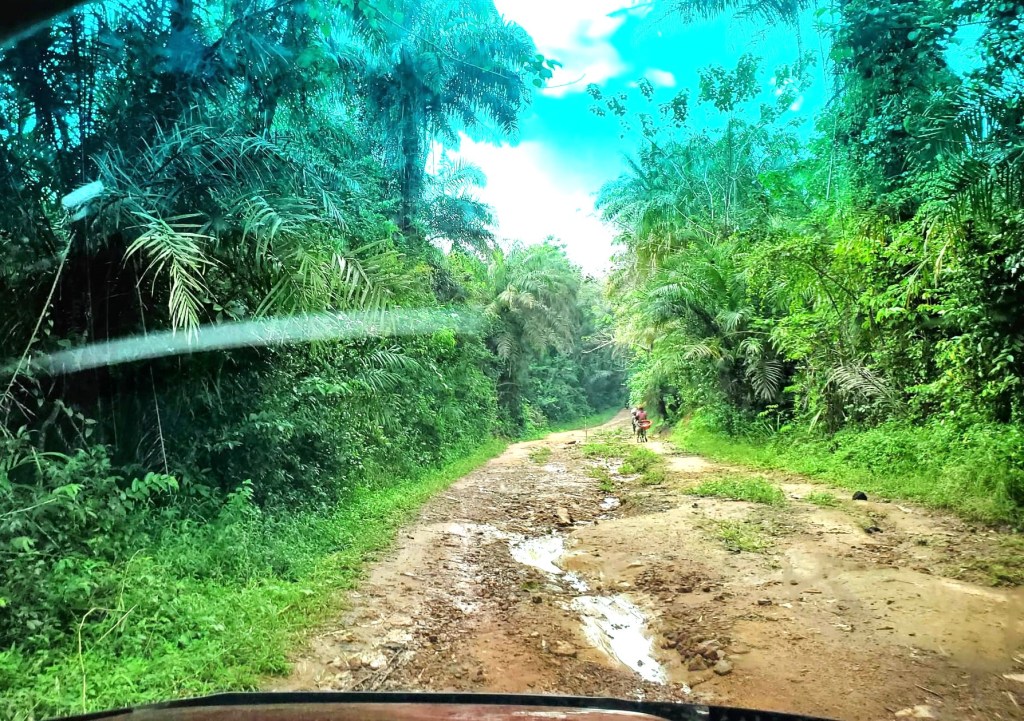
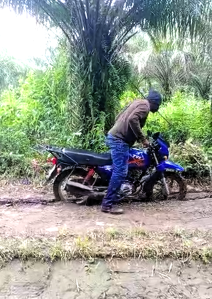 For Mustakin, this work transcends employment. “I’m here to create my own legacy,” he tells us. His commitment to the people of Bumpeh Chiefdom runs deep, driving him to push through the daily challenges of rural development work. Like getting to project sites on roads, left, he found even his motorbike had trouble passing in the rainy season.











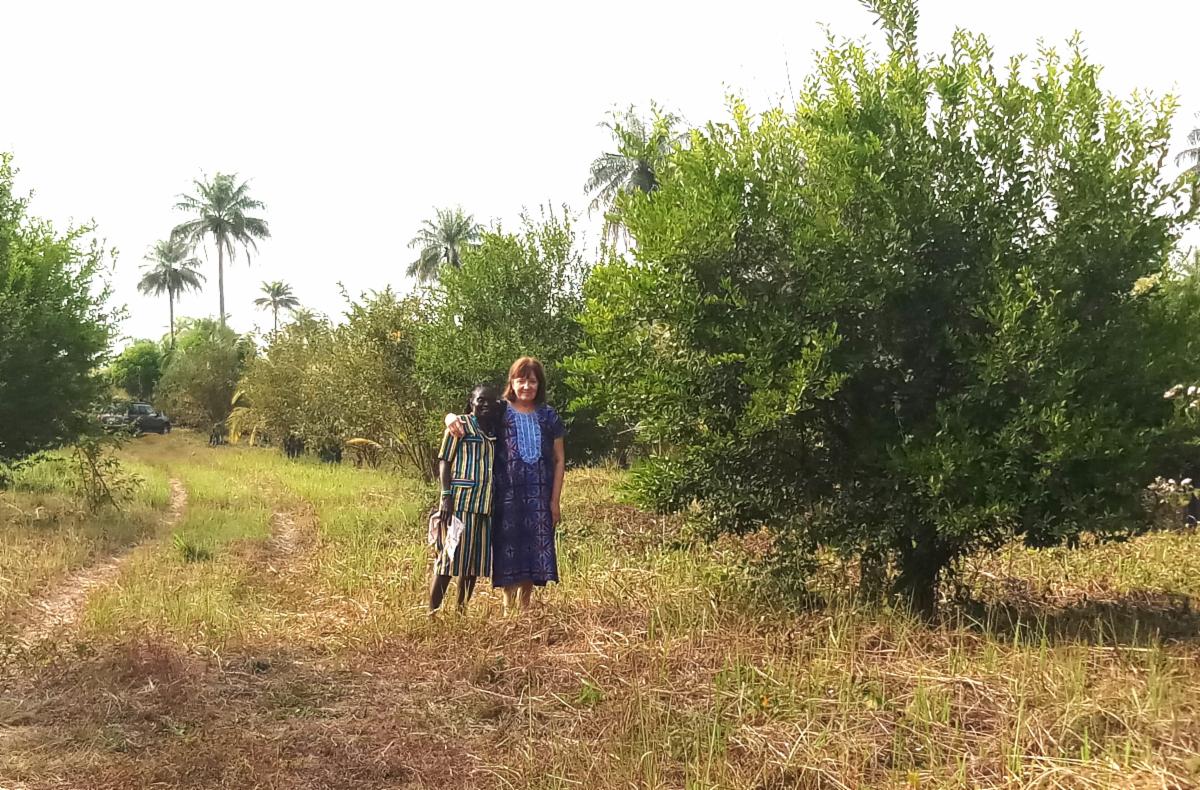
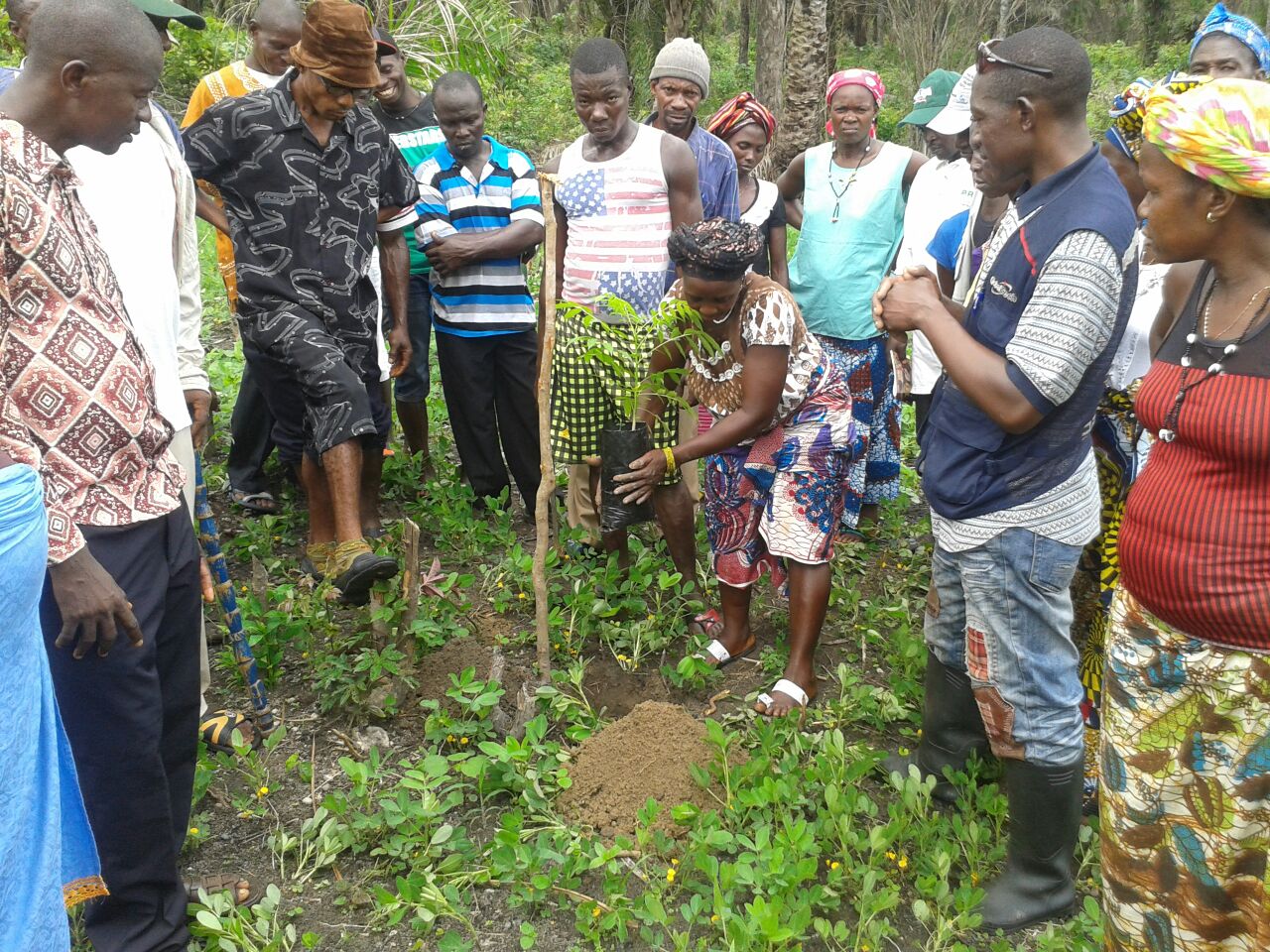
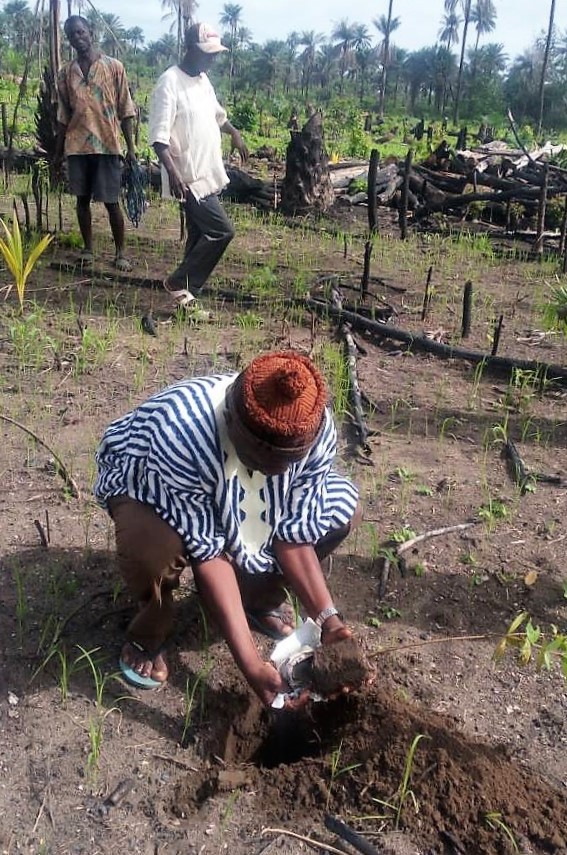 Chief Caulker, left, plants a lime tree seedling in 2017.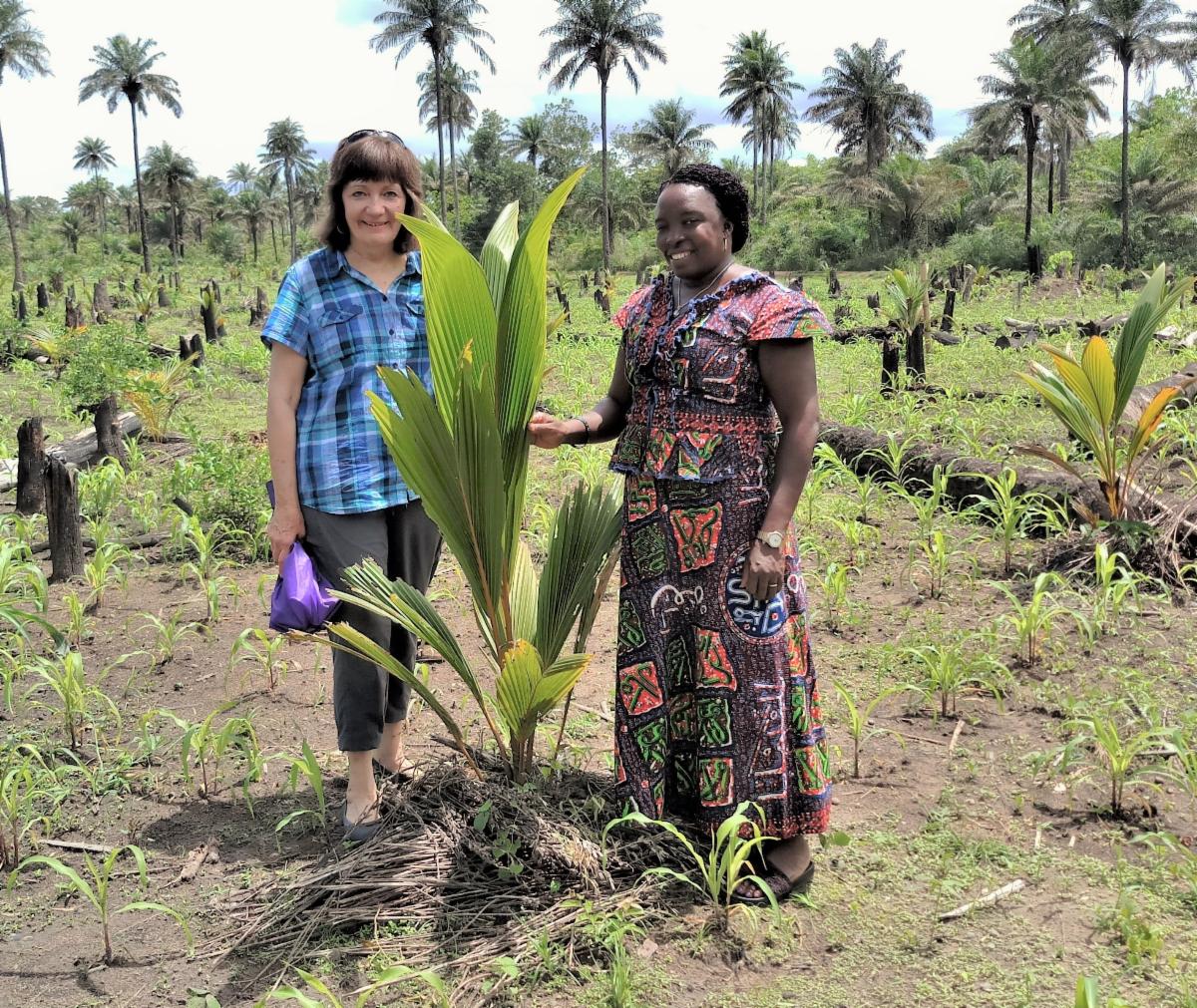
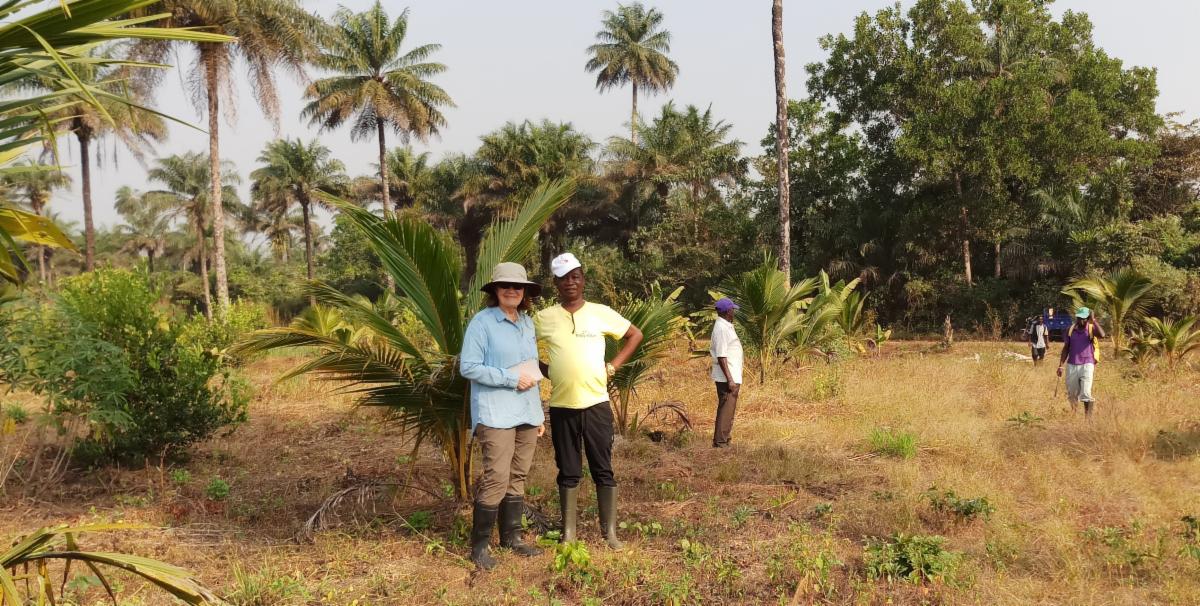
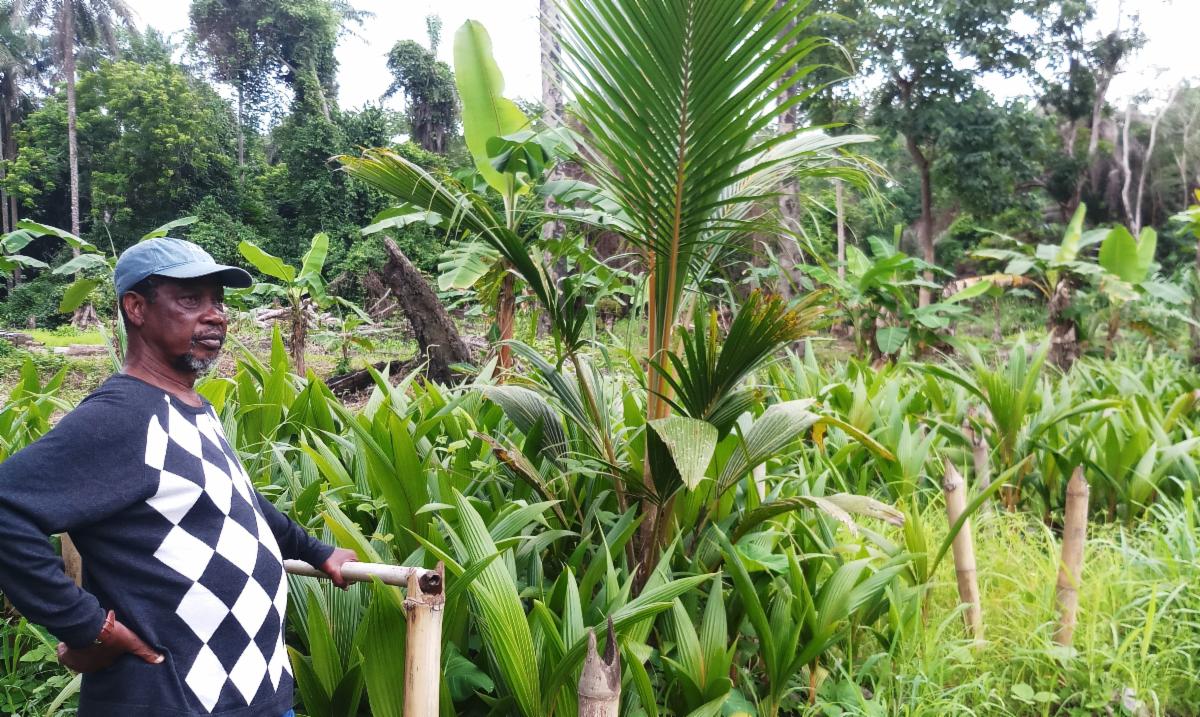
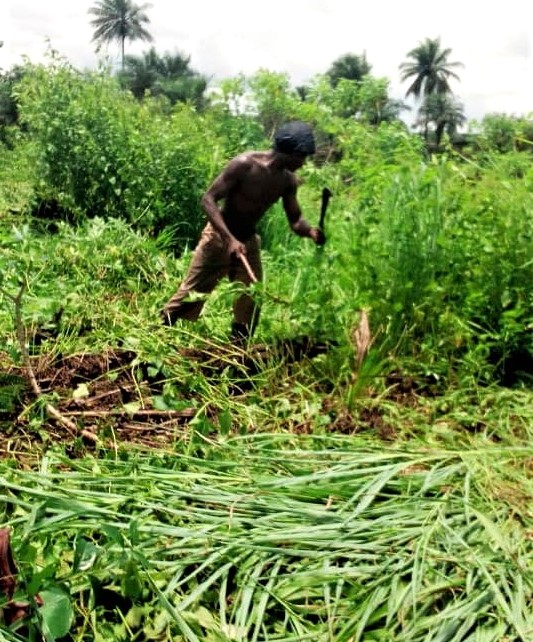 In tropical rainforest climate, everything wants to grow. Trees have a huge growth surge in the rainy season – as do the weeds! Workers spend weeks manually cutting back weeds three to four times a year, as well as watering young trees. Cut weeds become a natural mulch and add to soil fertility.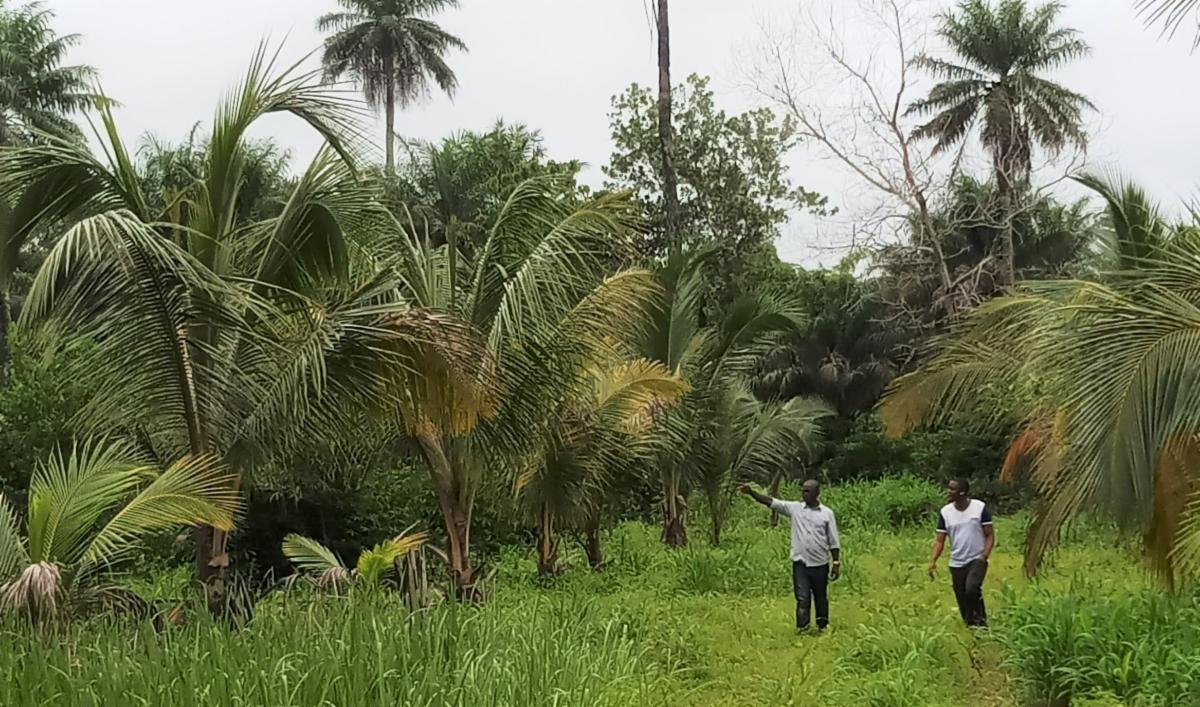


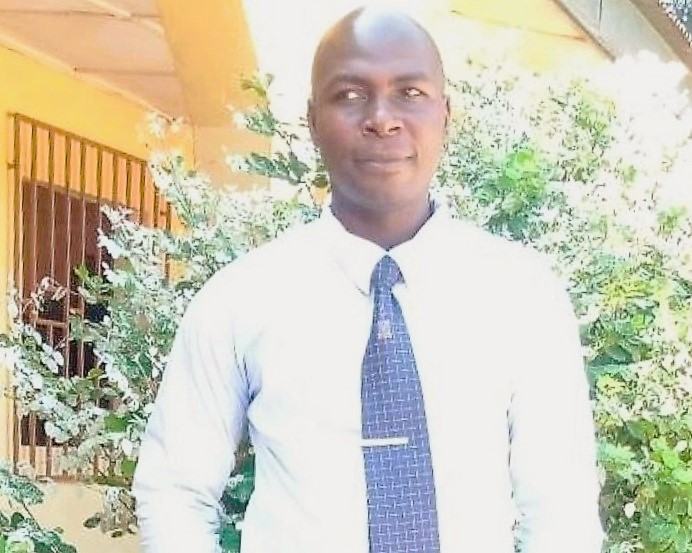 Ibrahim Bangura, left, waited a long time for his opportunity to get a bachelor’s degree in science education. Far too long. He qualified for university 18 years ago, soon after Sierra Leone’s rebel war ended. But he lost his father while in primary school, and his mother as a small market trader couldn’t help him.
 “All this while I have been doing community teaching, teaching mathematics and physics,” Ibrahim told me. “So, I have taught pupils at senior high who are now graduates in the fields of medicine, engineering, as well as professional teachers within science.”
 Tamba Kemoore Gborie is another MMTU student awarded a scholarship. He attended the Bo Government Secondary School, one of the oldest boys’ high schools in the country, and one of the few offering the full science curriculum. From there, Gborie said, “I started growing my love for science subjects.”
 A young woman from Rotifunk started medical school this fall with our third Saa Chakporna scholarship. Aminata Kanu completed two years of premedical science courses at the University of Sierra Leone and was admitted as a full medical student.
 Another Rotifunk resident is pursuing primary care medicine as a community health officer. Gibril Bendu will be at the front line of health care when he completes his degree funded by the Sherbro Foundation board.
 We anxiously await Tommy Sankoh finishing his degree in agricultural economics at Njala University. With his return to Rotifunk, he’ll advise CCET-SL on its agriculture program and teach high school students and local farmers improved growing techniques and developing farming as a business.
 Rotifunk, the chiefdom’s headquarters town, was typical in seeing only about 30% of teens make it to junior high.
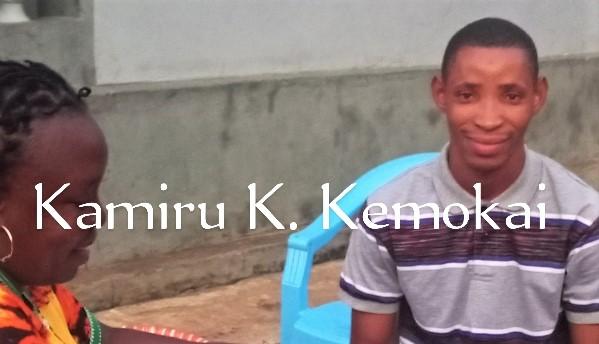 When his father died, Kamiru, left, waited three years after graduating high school before the CCET-SL program was available to help him repeat the WASSCE exam.

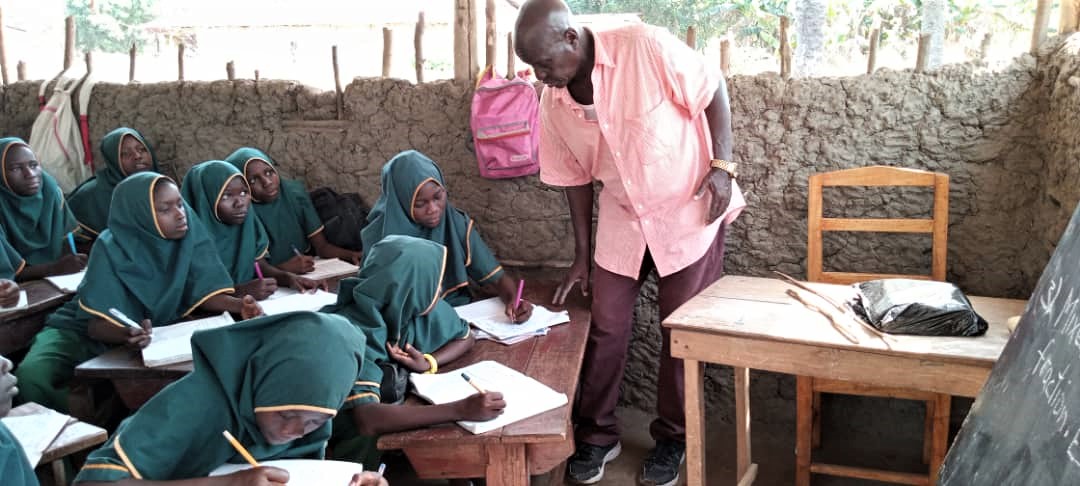
 Sometimes a principal just hands new teachers a book and sends them to a class to teach. The principal often teaches full time themselves and has little time to monitor or coach a young teacher.
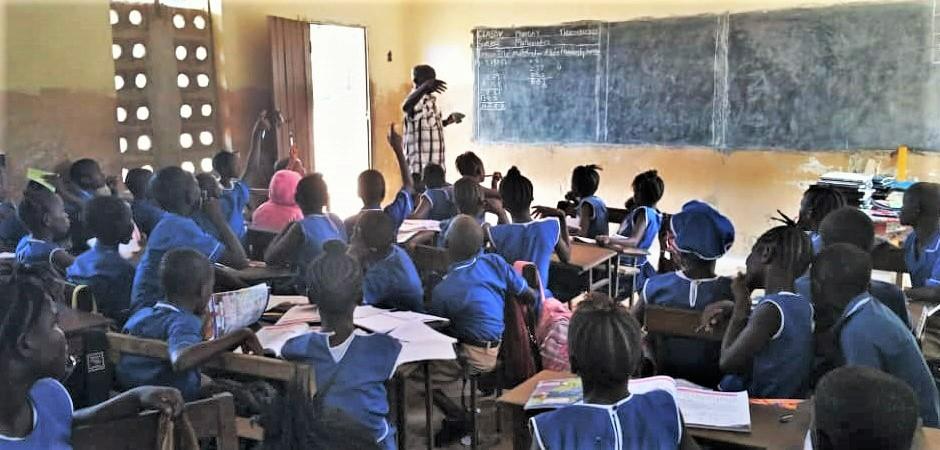
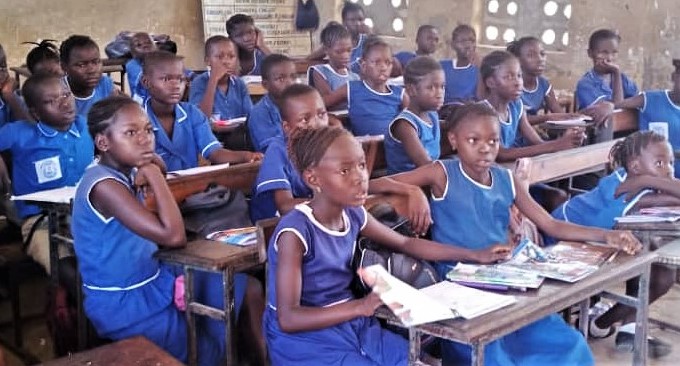 Too often these young impressionable students see the opposite – young people who dropped out of school and with the little money they earned bought cheap cell phones and flashy clothes.
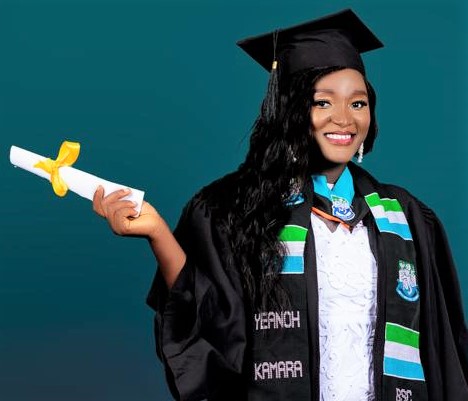
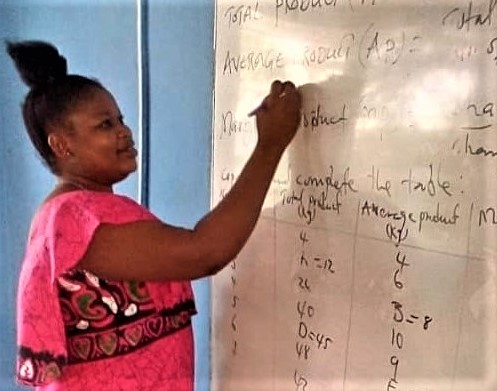 Today, Kadiatu, left, is in the first group of teachers Sherbro Foundation is returning to school to pursue their HTC – the Higher Teacher’s Certificate.
 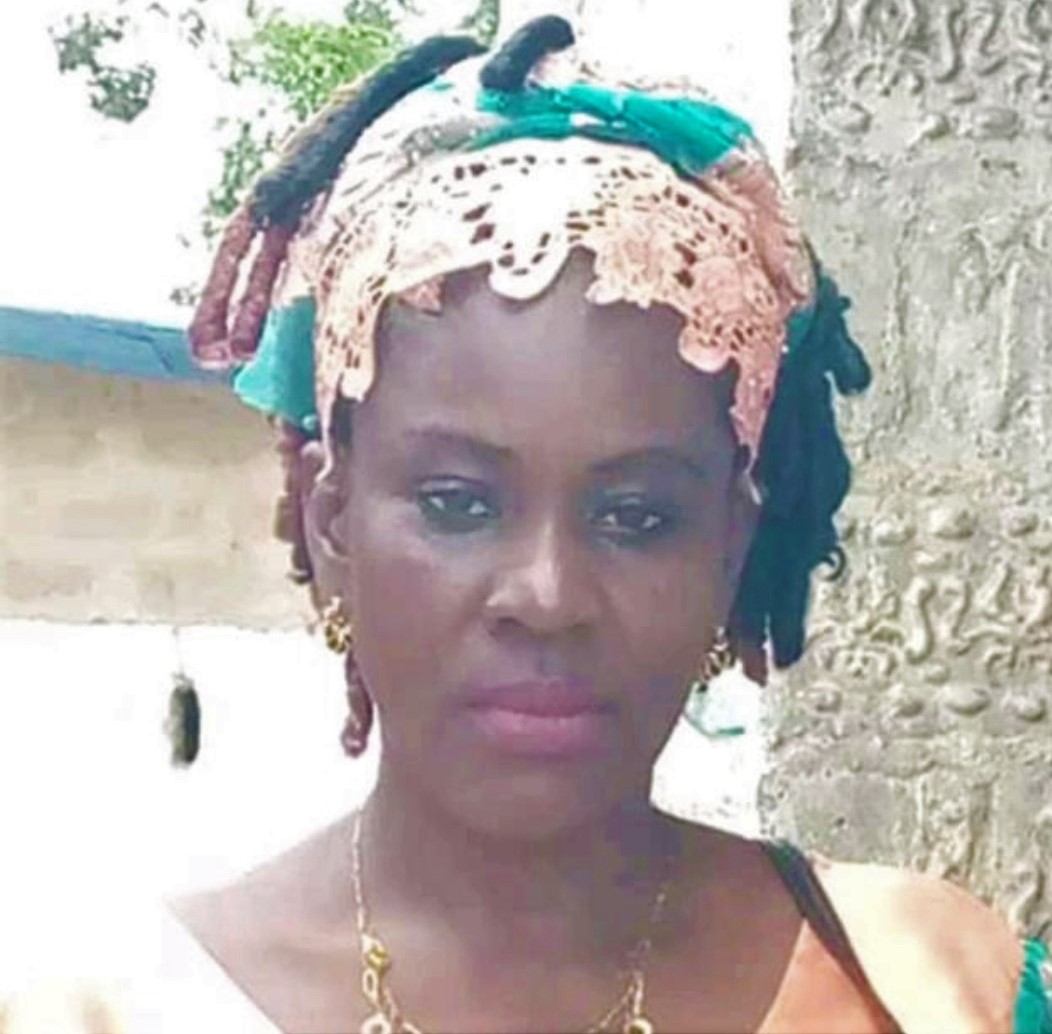 Salamatu, left, another scholarship recipient, was born and raised in Rotifunk, and has been a primary school teacher there for nearly 20 years. We didn’t know just how important – and urgent – it was to open the door to higher education for her with a scholarship right now.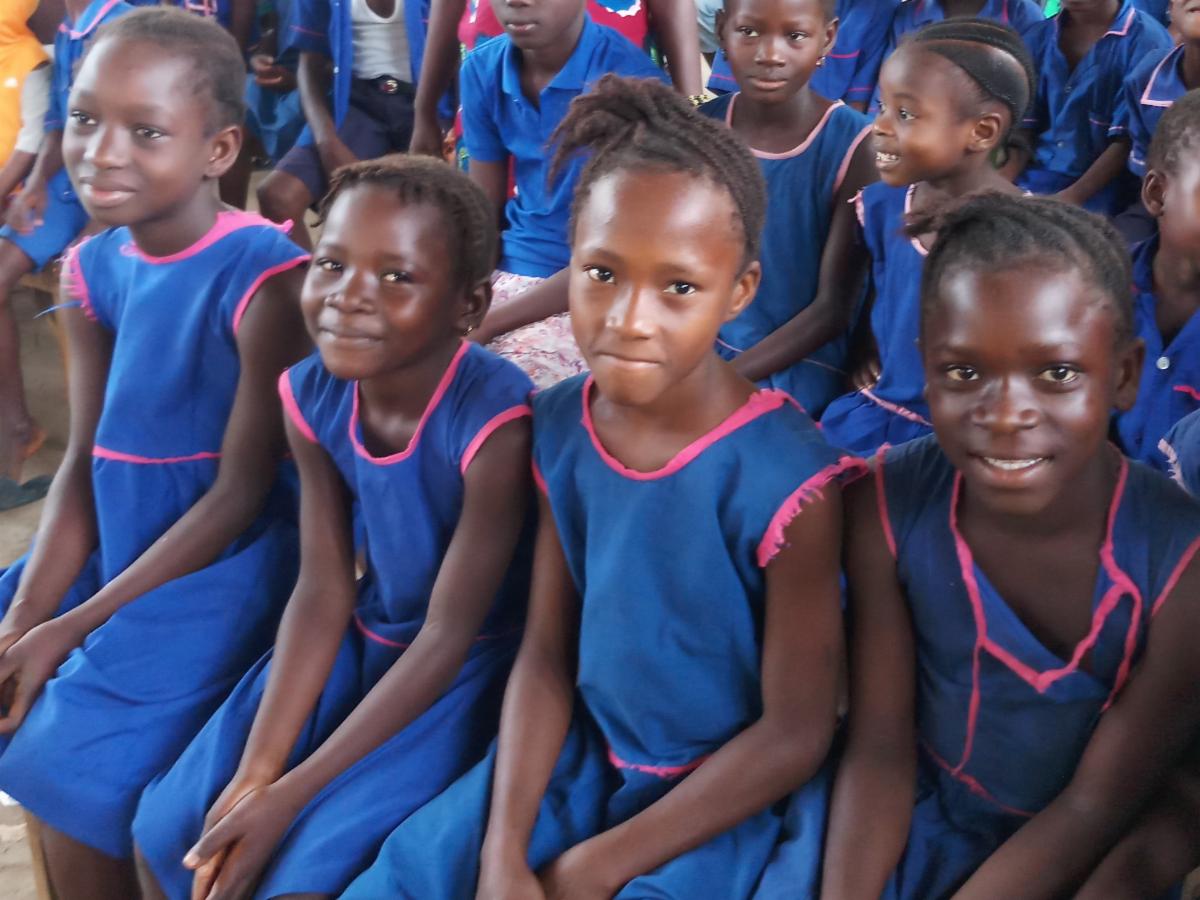
 Salamatu’s story as a teacher goes back 25 years.
 They’re women like Yeama, left, who could be on her way to becoming “middle class” in her subsistence society.
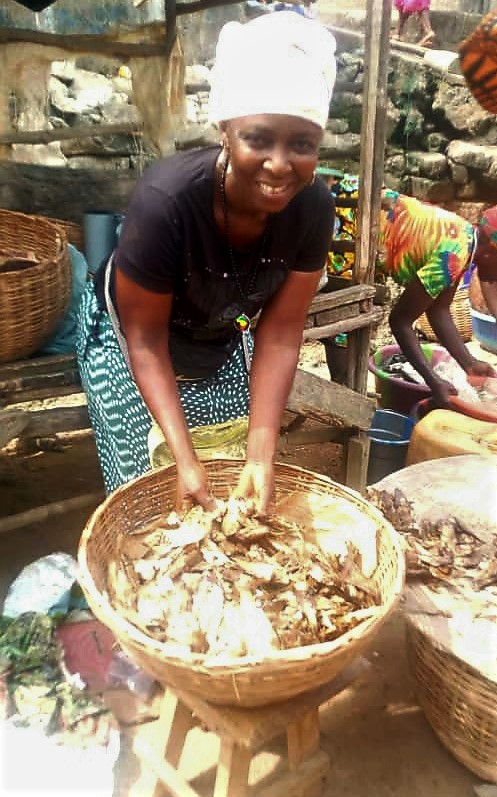 The women needed instant capitalization to bring more earnings home that improve their daily lives, as well as save. Soon, 40 more traders were added, 20 of them “fish mongers,” like Marie left, who buy dried fish from fishing villages to sell in Rotifunk.
 One invigorated trader is Zainab, left, who had to drop out of school at the 9th grade. She was forced into an early marriage because her family could no longer feed her at home.
  Adama, left, works very hard at her new opportunity. One of her husband’s two wives, she was forced to provide for her five children alone. The four oldest were married off young because she couldn’t afford to support them.
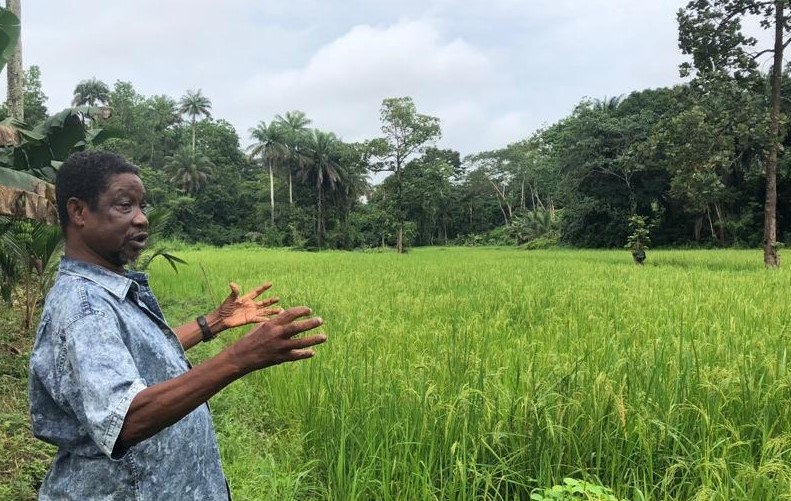


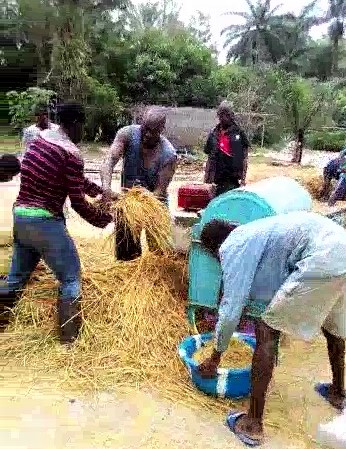 Seven acres of IVS rice, above, were just harvested in what proved to be a bumper crop.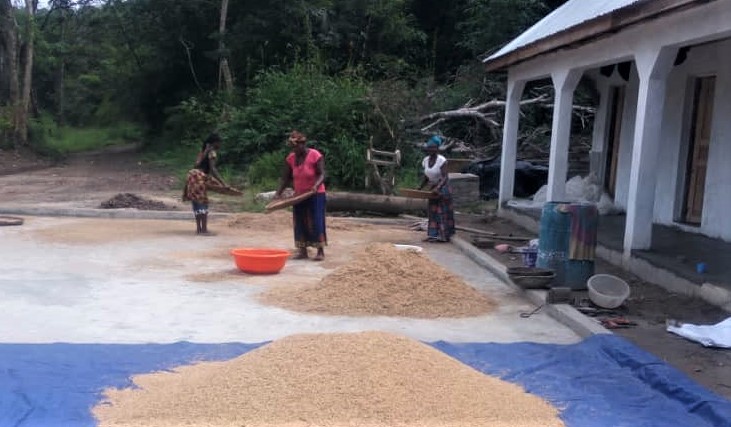


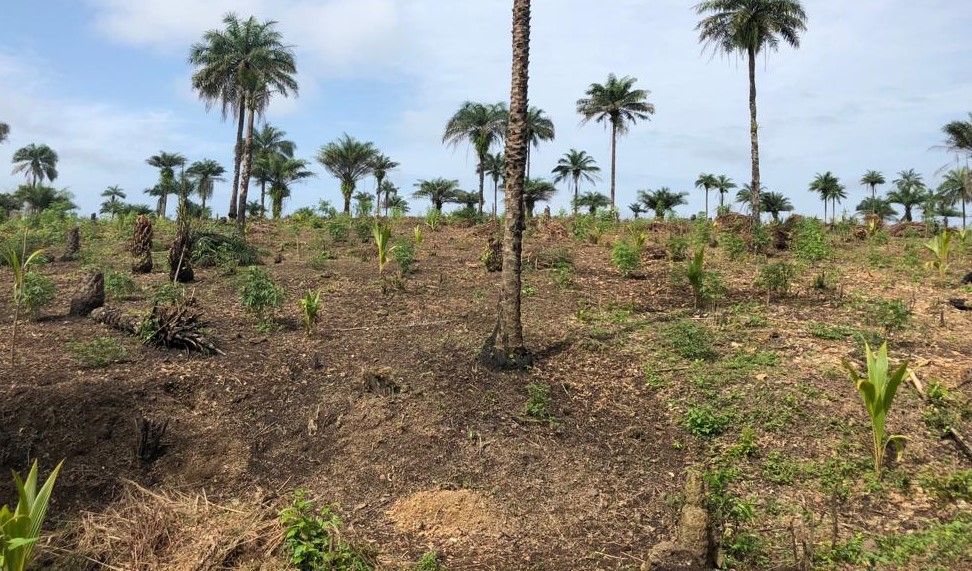 The third, most recent orchard was planted in June-July of this year
 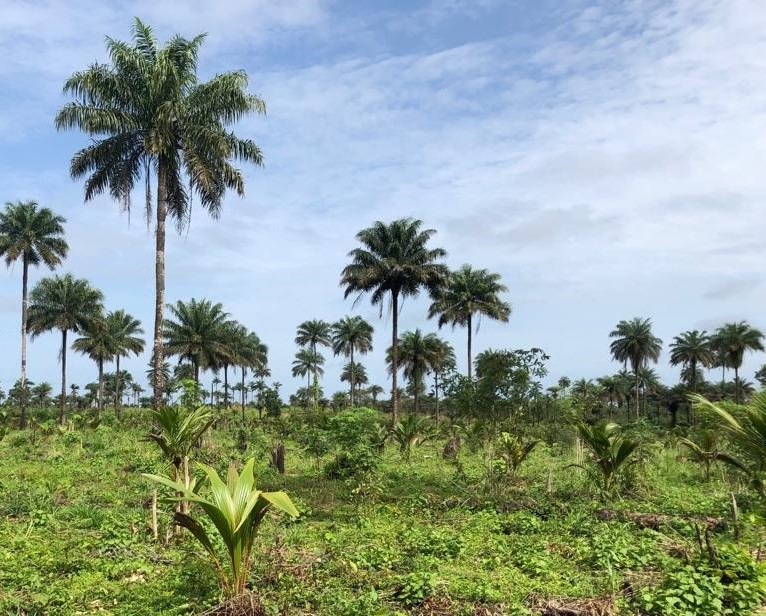 Trees in the second orchard, left, planted in 2018 are strong, sprouting up with two rainy seasons of growth.
 The first orchard planted in 2017 is now in its third year.
 Guava and lime trees planted in 2017 in the first orchard are sporadically fruiting, and will yield a good harvest next year.


 The three Rotifunk graduates are among the first Bumpeh Chiefdom girls to finish high school in more than 20 years since Sierra Leone’s war.
  Rotifunk’s education godmother
 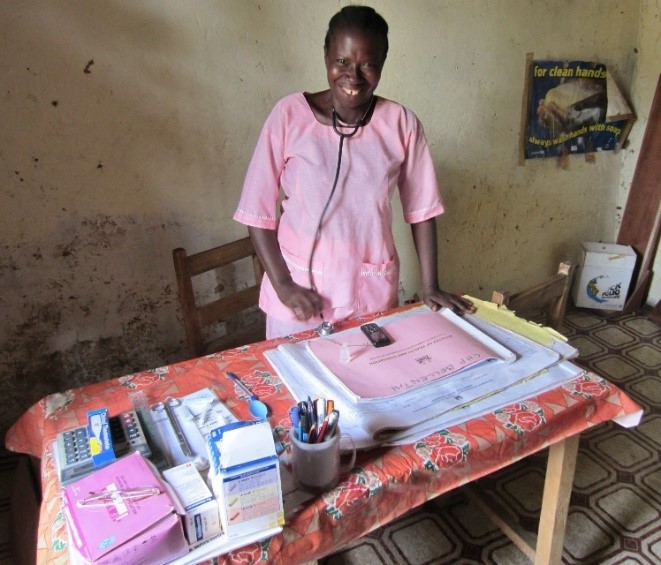 Community health nursing is a great entry point for young women like Fatmata, Umu and Safi. Nurses like Adama, above, run small village-based Public Health Units, where they treat common infectious disease like malaria and dysentery, stitch wounds and perform other first aid. They give women basic pre and post-natal care, serve as midwives at birth and offer well-baby care, including checking infants for stunting.


 Safi Bendu comes from a small village “downriver” some distance from Rotifunk. She had to leave home to go to secondary school.
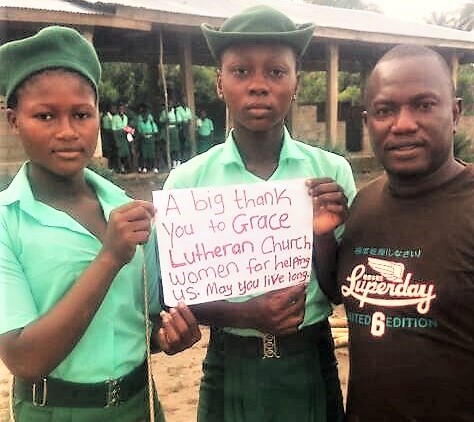 Sherbro Foundation knows no one in Auburn, Maine. But someone there had hosted an exchange student from Sierra Leone. During the 2014 Ebola epidemic, they wanted to help at the grassroots level where they felt their money would be put to good use directly helping a rural Sierra Leone community. They found us on a Google search and have been giving ever since.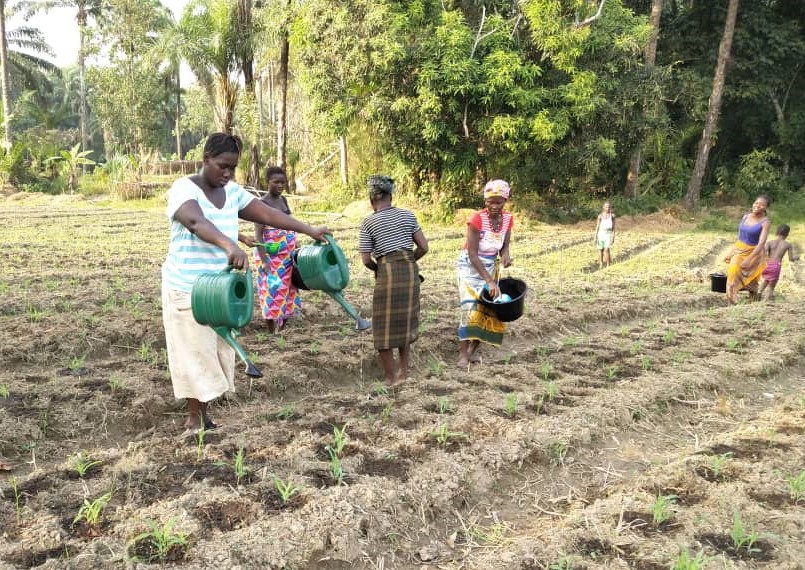
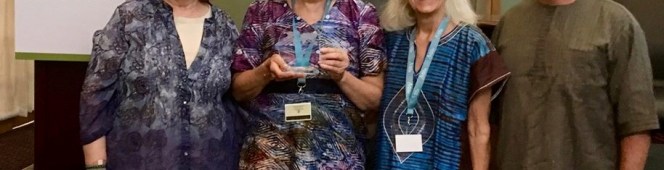
 Arlene received the Shriver award at the NPCA annual conference. L to R with Sherbro Foundation Board members: Chris Golembiewski, Arlene, Cheryl Farmer, Steve Papelian.


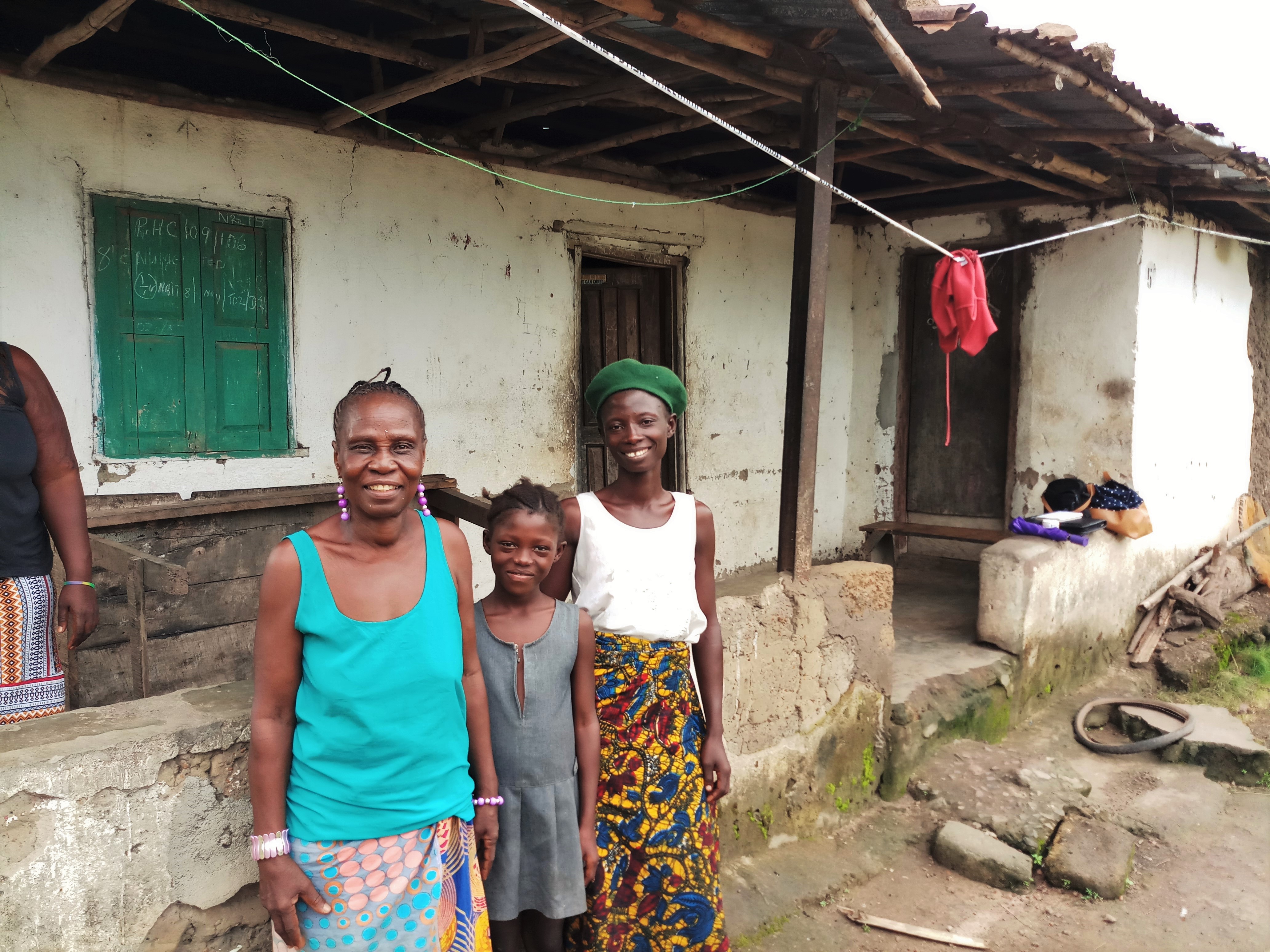
 Junneth grows sweet potatoes, (left), corn, yams and eggplant to eat and to sell in the market for money to live on. You’ll see her in a nearby river after school catching fish to eat.
  She explained, an educated woman can work and improve the community. People respect her. Men respect her. When a woman can earn a living and help the family, it helps her marriage. She said, “If I learn, I also [will] have something. He will give; I will also give.” A two-career couple is needed in Sierra Leone to move away from subsistence farming to a more middle class life, just as much as it’s needed in the US.
 Mrs. Kaimbay arranged a scholarship, asked Bumpeh Academy to enroll Junneth in school and gave her a uniform. She became a proud 10th grade student, in her first year of senior high, picking up where she left off years before.

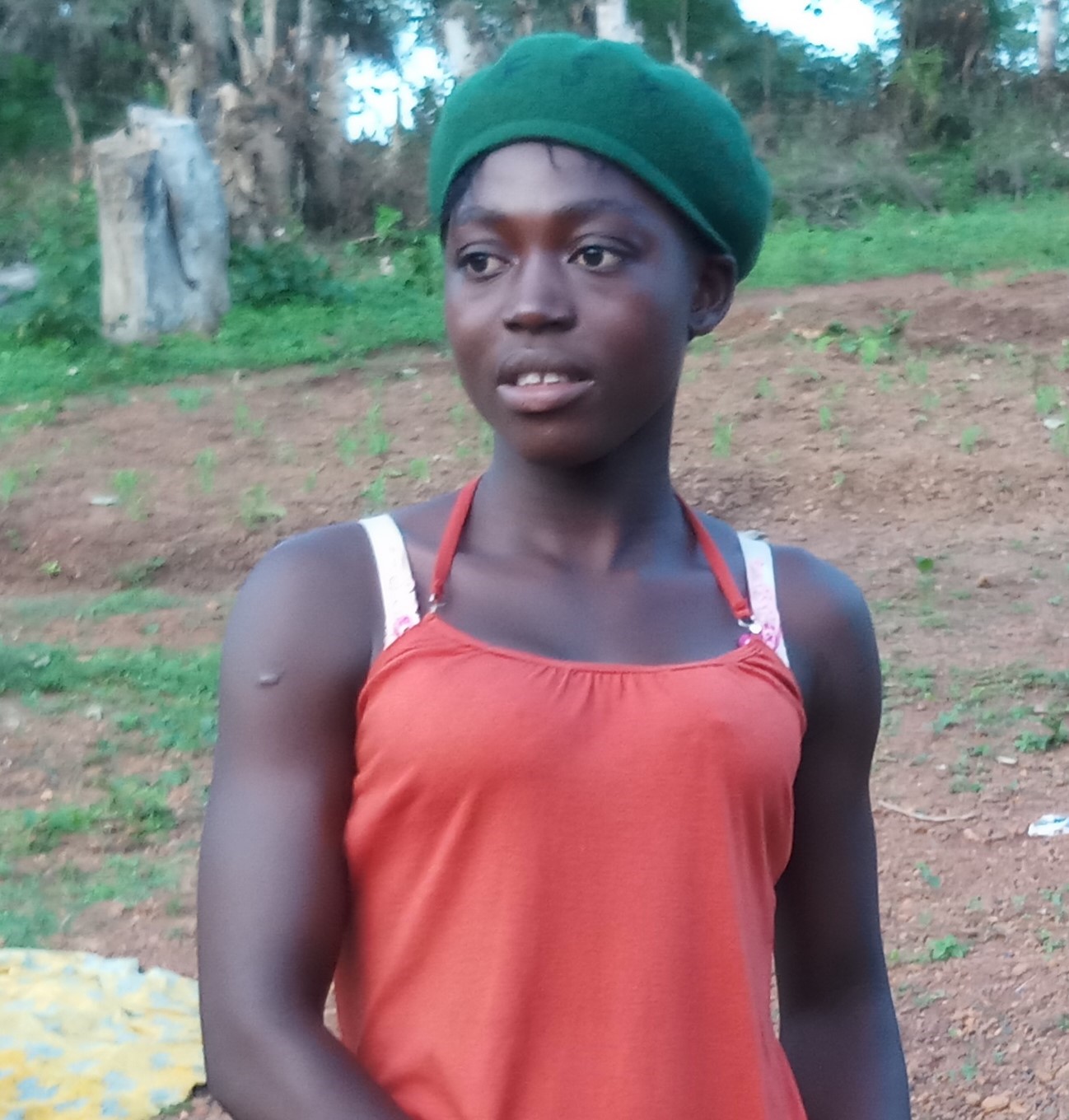 Fatmata’s not sure how old she is. We estimate she’s 17. Her
 During that tumultuous time, Fatmata had to repeat her first year of junior high. She’s continued to advance to the 9th grade with four SFSL scholarships.
 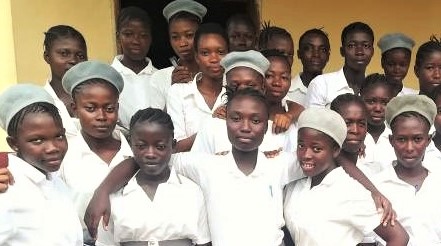 Many other bright girls are eager to keep learning, often after interruptions in their educations.
 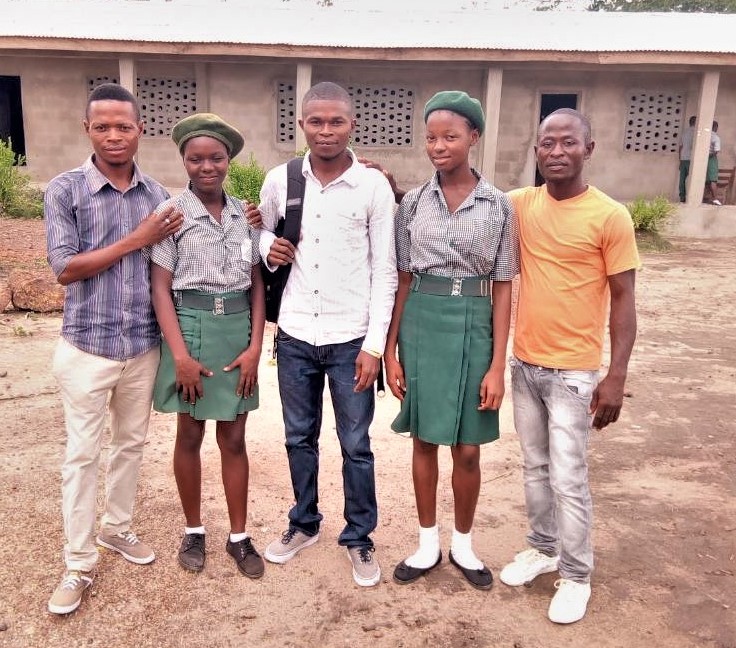 Isatu, an orphan in senior high, just completed 12th grade. She’s awaiting the next national senior high completion exam. She could be a candidate for our new college scholarship program.


 Village beginning Aminata, left, is the youngest of 12 children. Her parents scratched together a living in the Rotifunk area. It’s typical of the chiefdom, with mud houses and where most earn a dollar or two a day as small traders at the weekly market. Her father was a primary school teacher, a low paying job, and her mother a trader. Now, her father is retired and her mother blind.
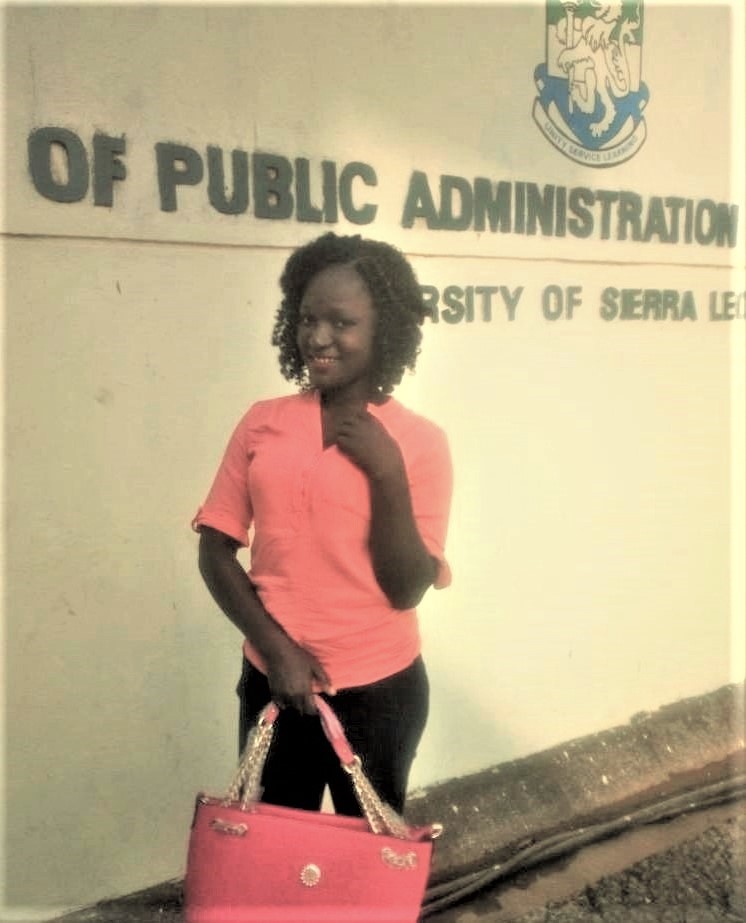 Proud college student Aminata, left, is now a first year student at the Institute of Public Administration and Management at the University of Sierra Leone in Freetown – thanks to Sherbro Foundation’s first college scholarship award of $1700, paying her first year’s tuition, fees, books, transportation and a stipend for living expenses.
 “She is a woman, but she does [so much] good and all the people in the community admire her,” Aminata said. Rosaline shows girls a woman born in their chiefdom can get a college degree and take leadership roles usually filled by men.










 A partnership between Ann Arbor Rotary and the Freetown Rotary Club in Sierra Leone will oversee the project’s progress.


 Sherbro Foundation Executive Director and P&G Alumna Arlene Golembiewski, left with Sulaiman Timbo, submitted the proposal. S
 High school students like Zainab, left, get practical
  Adults develop
  The Center itself is a new
 Rice farmers are often forced to take a loan from a local lender at interest rates of 50% and more to send their children to school. These informal village lenders can charge this much because villagers usually have no other option for a loan.
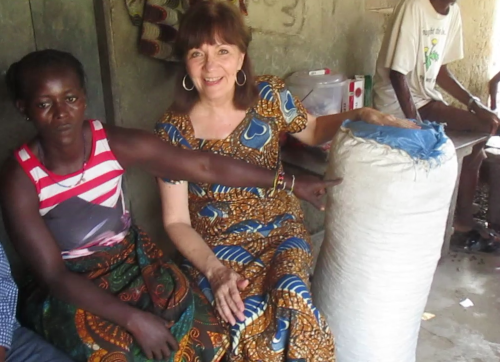

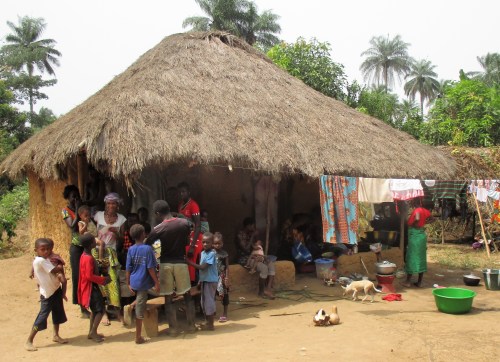 Fula Musa was one of eight women in the project from this small village of 25 houses.
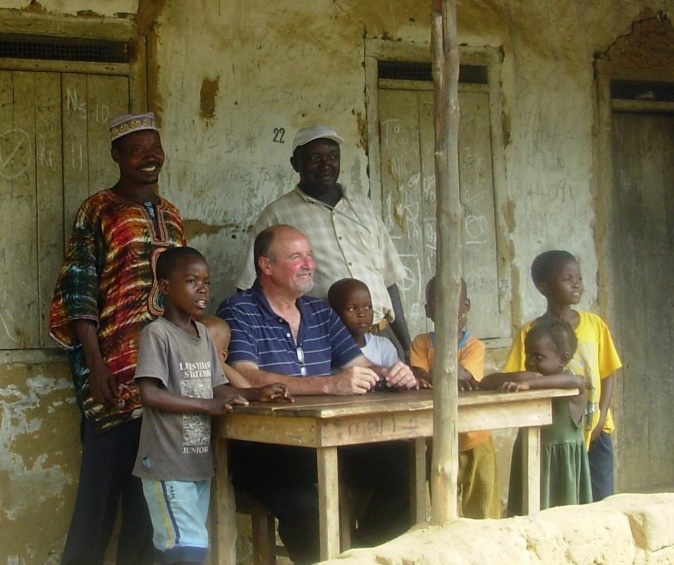 Mike in 2011 visit on the porch of his old house in Sembehun where he served as Peace Corps teacher. He stayed four years and started the chiefdom’s first secondary school.
 Sherbro Foundation’s Board funded the “Baby Orchard” to create long-term income for the chiefdom’s Newborn Education Savings Program, and dedicated it to Mike. Education savings accounts are opened for newborns and funded by fruit income. When a child reaches the age of twelve, they will have money for a secondary school education. I think Mike would have liked the idea, and I know his family does.
 It’s safe to say but for Mike, Sherbro Foundation would not exist today. He encouraged me to join a Friends of Sierra Leone trip in 2011, my first return in 35 years. Ever the African traveler, he coordinated a tour of our former Moyamba District villages for five of us, including Wendy Diliberti, his wife, Sherbro Foundation Board Member Steve Papelian and Howie Fleck.
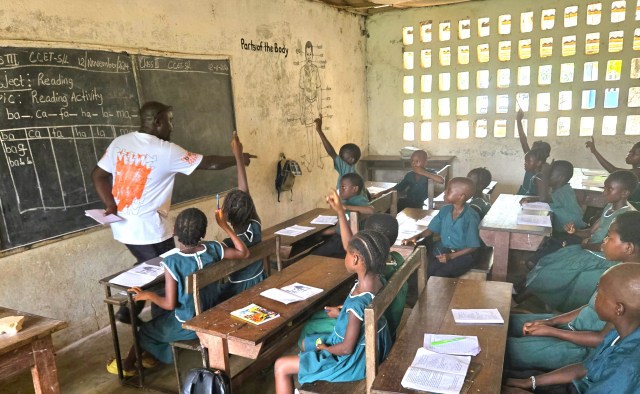
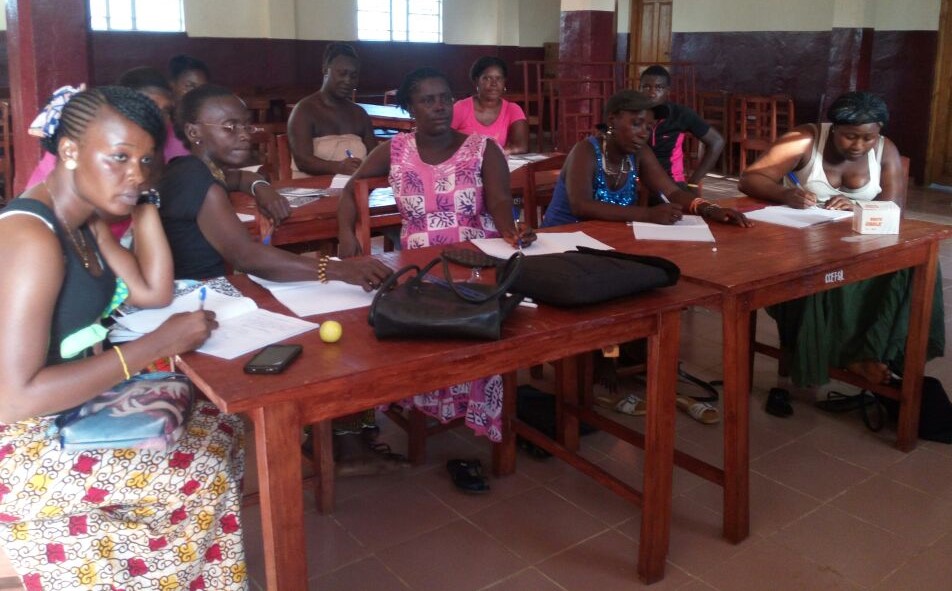 The Adult Literacy program was a fast start and one of our first. Only committed students, dedicated volunteer teachers, a classroom and a blackboard required. No cajoling needed.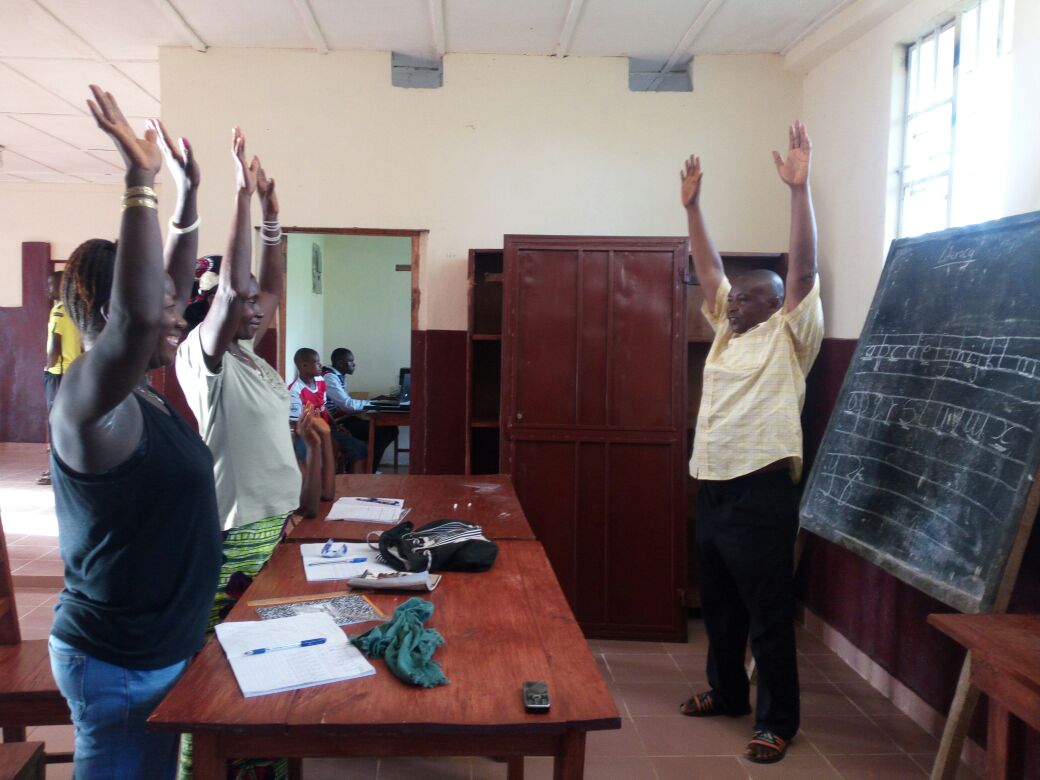

 I remember the women I met in 2013 and why they wanted to start learning now. Kadiatu, left, was chief instigator and lobbied for classes for two years. She was her family’s breadwinner and head of Rotifunk’s women trader’s union, otherwise known as market women.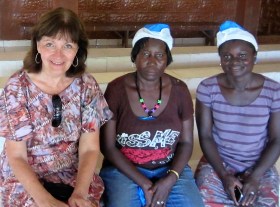
 Magdelaine, with me on my far left, took a co-op style nurse’s aide training program in the district capital. Back home in Rotifunk, she works at the hospital.
 On October 24, students took their seats for the first evening computer training class in the new Computer Center building. With two months left in the year, it’s a self-paced evening class for adults. An afternoon class for high school students will follow in the next term.
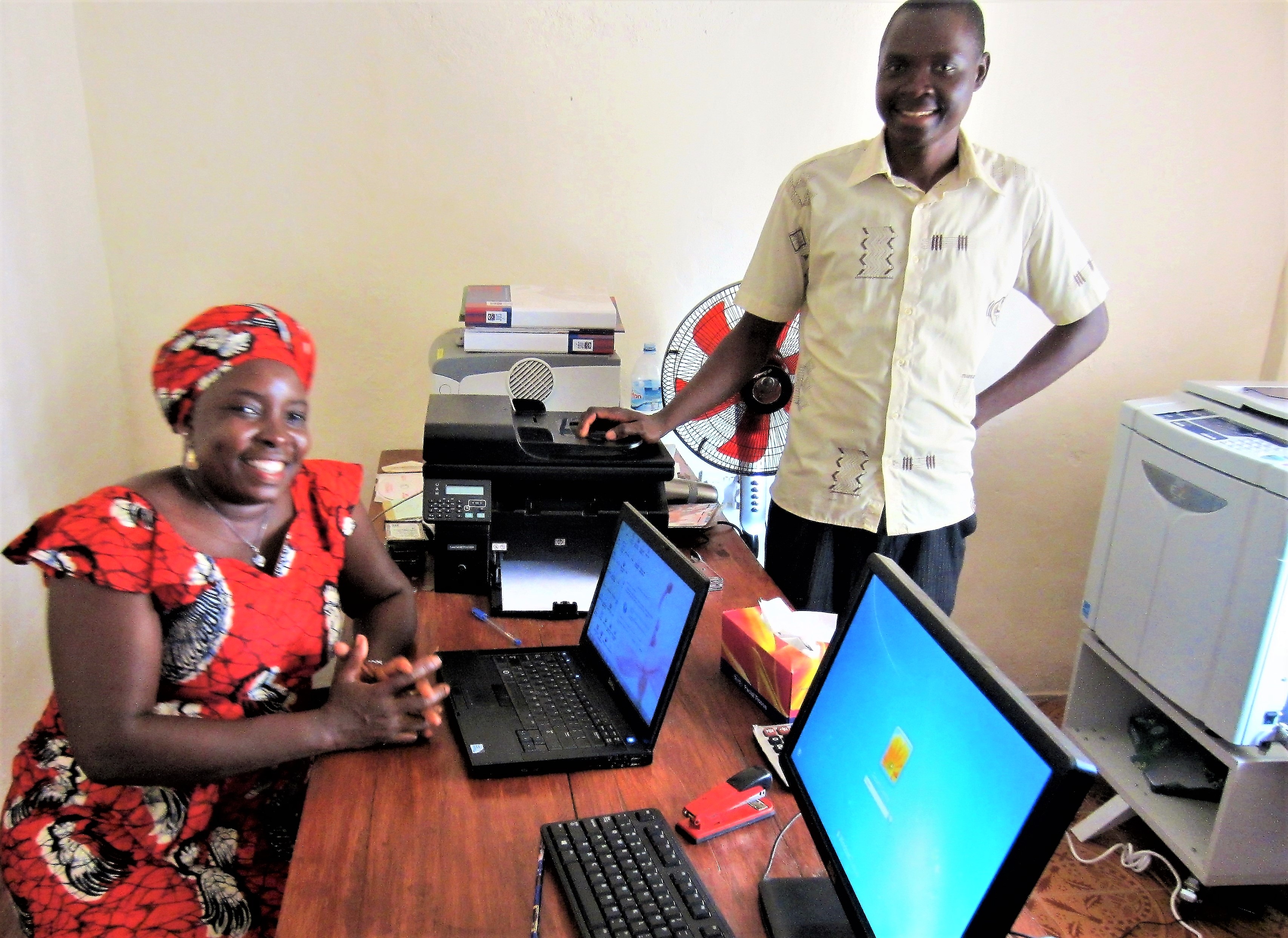
 Our Rotifunk partner, the Center for Community Empowerment & Transformation, CCET, hired their first full-time employee to lead computer training classes and run the new printing service.


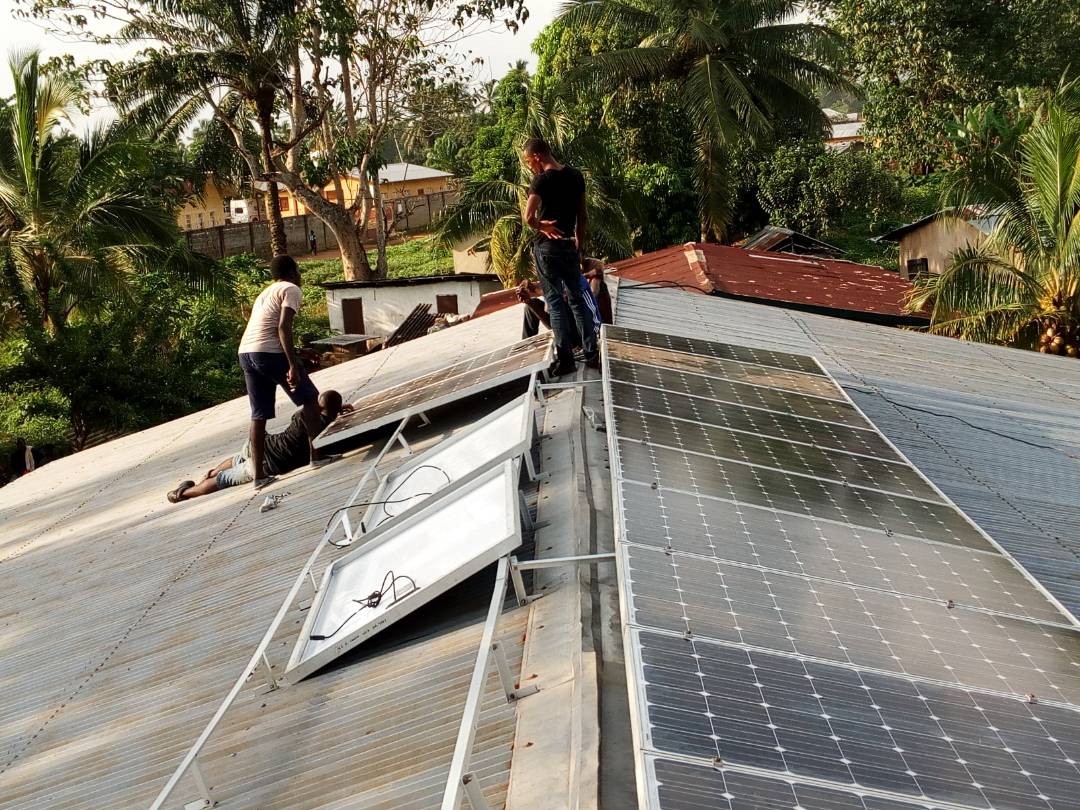
 The Center can handle 20 computer students in a class. A long table lines a wall so students can plug into wall outlets now powered with solar energy.
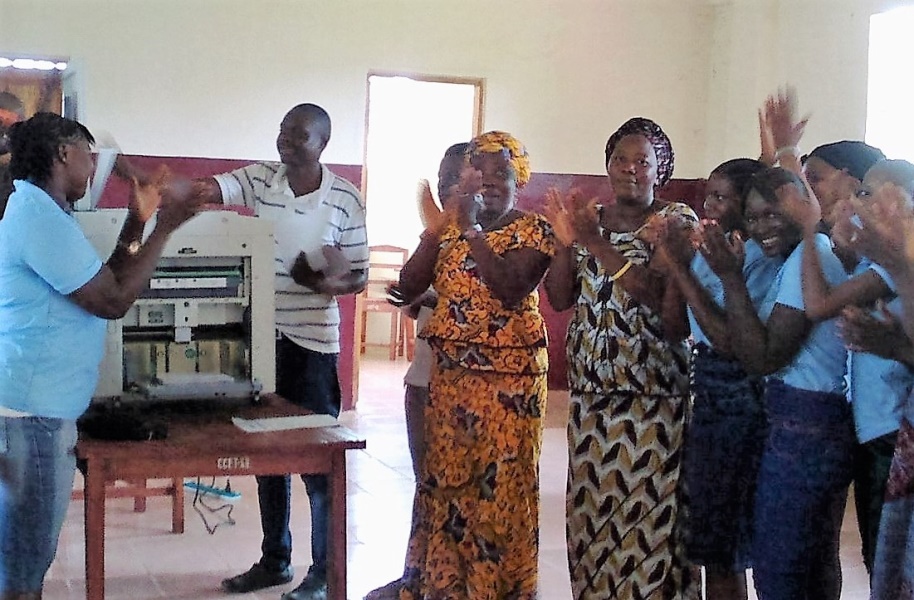 The economical high-volume, low-energy copier was met with cheers at the Rotifunk facility. With good reason – it’s the only printing service within several hours drive. Printing once meant a trip to the capital Freetown.
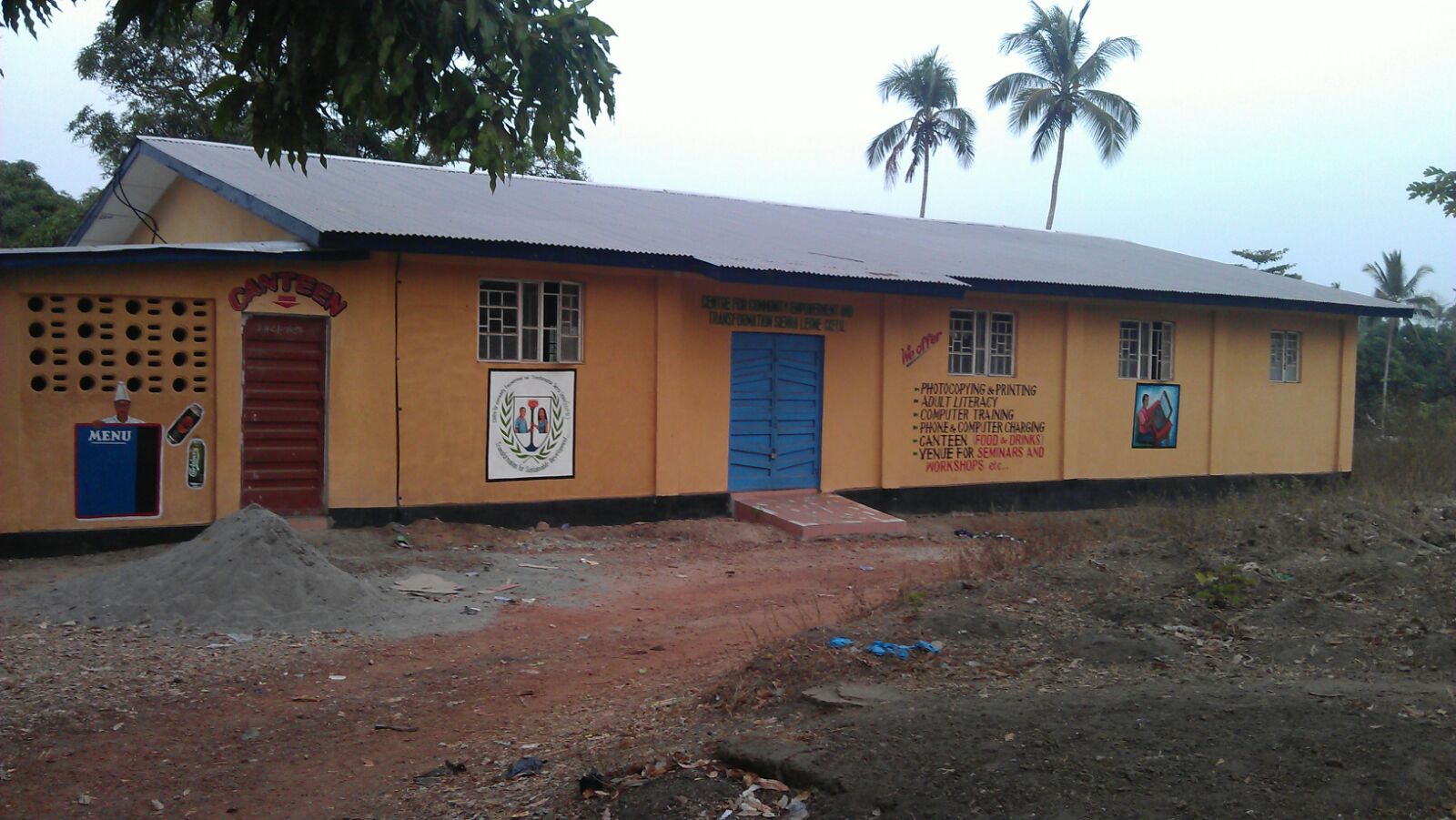
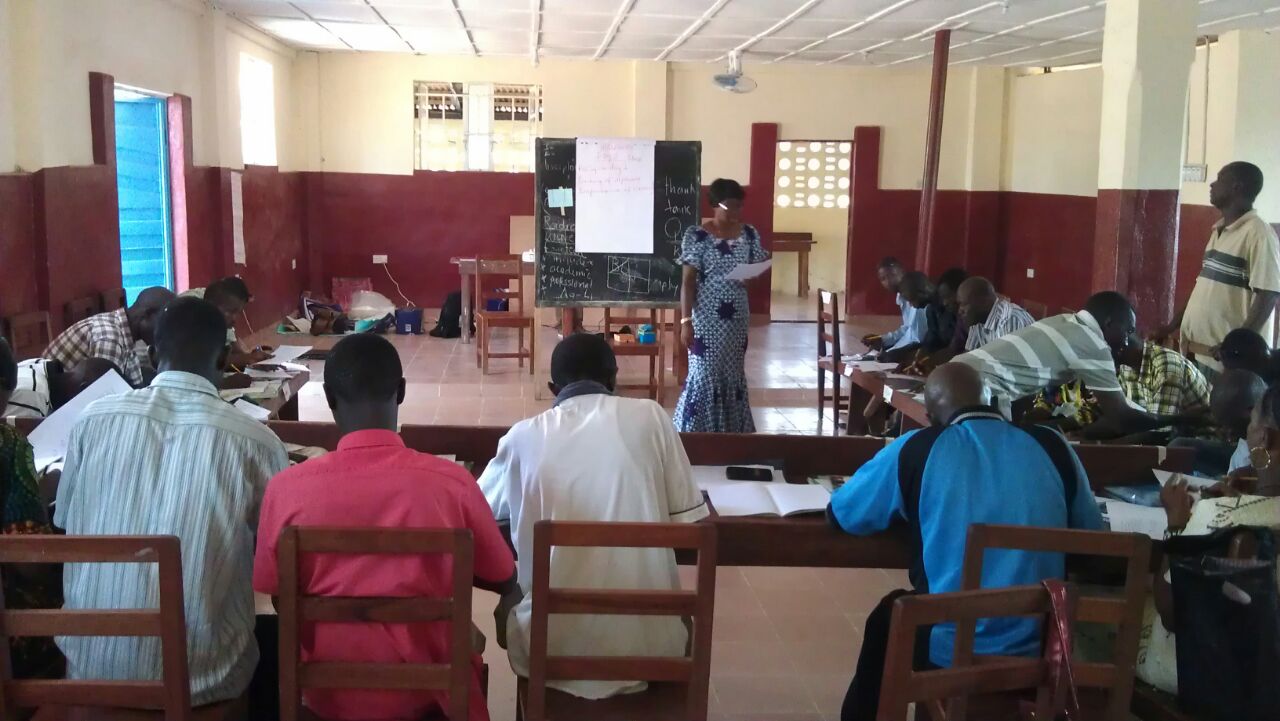 Now, the computing center — built from a war ruin — is being used to instruct students and adults on computer use. It also hosts adult literacy classes for the many whose educations were cut short by the war. The solar-powered building is available to rent, the only modern building for miles suitable for meetings and community events of 20 – 100. Primary school teacher training, above, was the first rental customer.
 The large duplicator was purchased with a $3,750 grant Sherbro Foundation received from the Ann Arbor (MI) Rotary Club and its District Rotary group. We purchased and shipped the duplicator to our Sierra Leone partner, the Center for Community Empowerment & Transformation (CCET), which operates the Center.
 Customers soon lined up for the unique service, which spares them an eight hour round-trip to the capital, Freetown. Many are teachers from Bumpeh’s five secondary and 40 primary schools, who need to print reading materials (students have few textbooks), exam papers and report cards.
 Members of the Caulker Descendants Association at their July 2016 family reunion – their 17th reunion.
 The Caulker Family tree documents their 350 year history starting at the base of the tree with Thomas Coker, born 1667 in Ireland. The tree was constructed by Imodale Caulker Burnett after many years of research into the family’s history she then chronicled in
  A family reunion wouldn’t be complete without a sheet cake to serve a crowd. But how many families can decorate their cake with a family coat of arms dating to the 1600’s.
 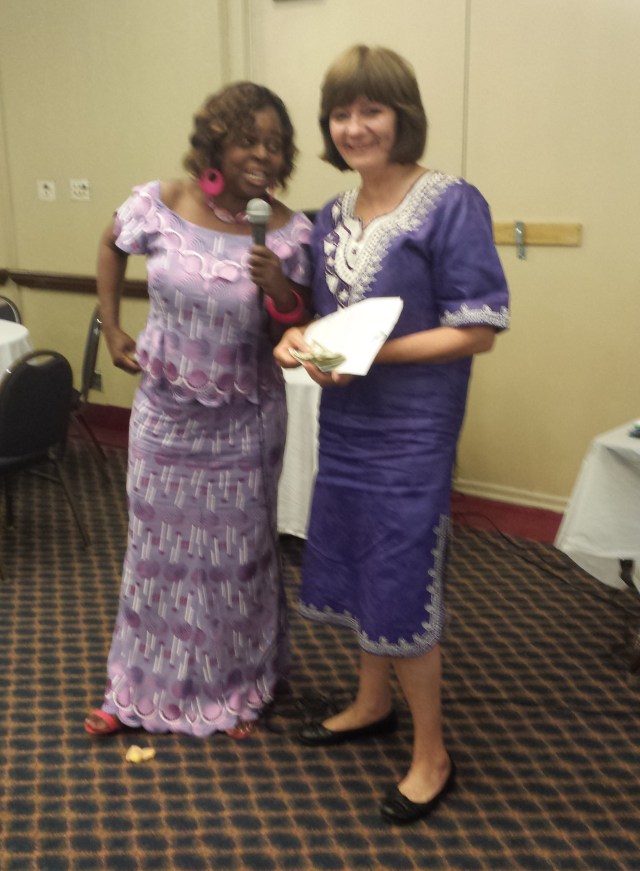 Arlene Golembiewski, Sherbro Foundation Executive Director, accepts the Caulker family Scholarship Fund donation from Enid Rogers, a Caulker grandchild, at their reunion banquet dinner.
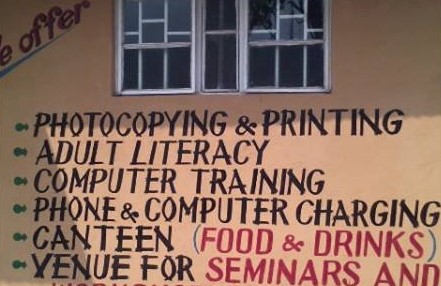 Rotifunk’s first Community Computer Center will soon start the area’s first copy and printing service, thanks to a grant from the Rotary Club of Ann Arbor, MI.
![Rotary-Web-Banner-New12[1] (2)](https://sherbrofoundation.org/wp-content/uploads/2016/04/rotary-web-banner-new121-2.jpg) Ann Arbor’s public service club awarded a $2,500 grant to Sherbro Foundation Sierra Leone, matched by $1,250 from Rotary District 6380. The money will equip a copying and printing business, helping the much-needed nonprofit center quickly become self-sustaining and introduce computer technology in the chiefdom.
Ann Arbor’s public service club awarded a $2,500 grant to Sherbro Foundation Sierra Leone, matched by $1,250 from Rotary District 6380. The money will equip a copying and printing business, helping the much-needed nonprofit center quickly become self-sustaining and introduce computer technology in the chiefdom.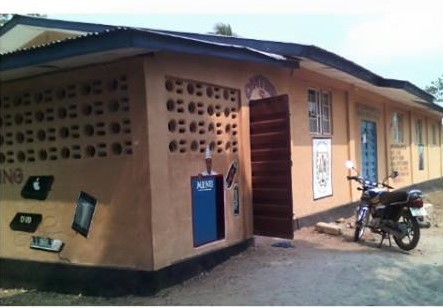 Sherbro Foundation’s local nonprofit partner, the Center for Community Empowerment and Transformation (CCET), comprised of teacher-volunteers, will operate the Computer Center and hire an IT manager. They transformed a centrally located ruin into a spacious, modern Computer Center complete with a snack bar – all done during the Ebola crisis.
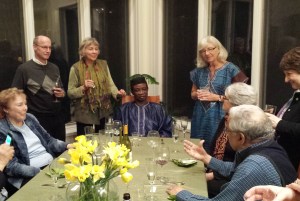 Paramount Chief Charles Caulker joined Sherbro Foundation in meeting with the Ann Arbor Rotary Club during his March – April US visit. We all celebrated Bumpeh Chiefdom’s work with a dinner, left, hosted by Rotarians Mary Avrakotos and Barb Bach.
 found my invitation message and brought a group to Chief’s April 6th presentation.

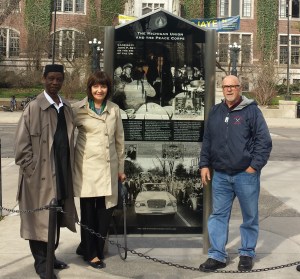 Sherbro Foundation Board Members Arlene Golembiewski and Steve Papelian, left, are former Peace Corps Volunteers who served in Rotifunk, Chief Caulker’s hometown. They reminisced with Chief on their life-changing experience at the steps of the University of Michigan Union, where then-presidential candidate John Kennedy first presented his new concept of the Peace Corps in 1960. The 50th anniversary of the Peace Corps was commemorated at Ann Arbor’s U-M Union with this historic marker, depicting President Kennedy’s speech.
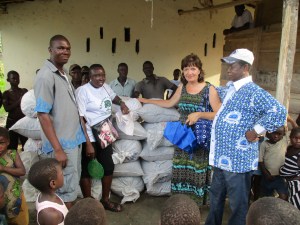
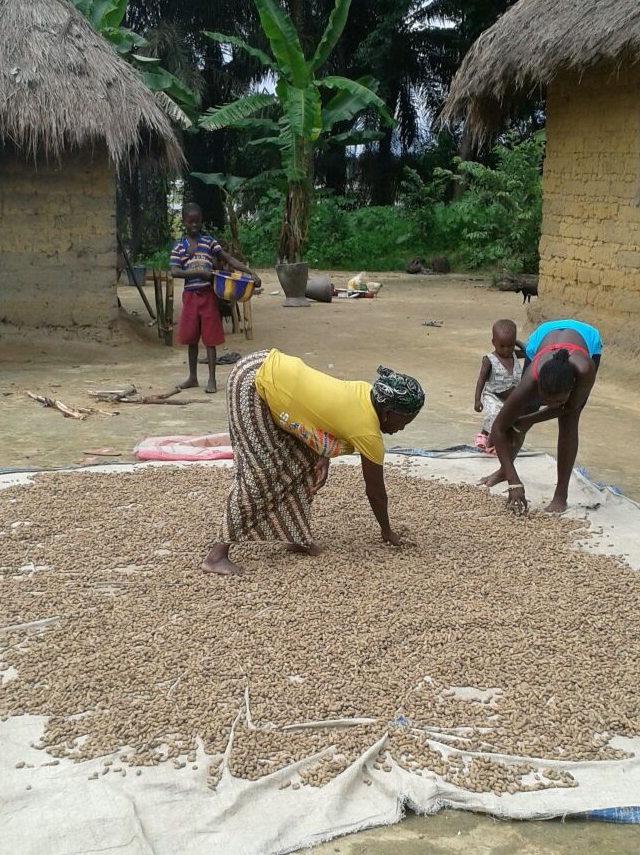
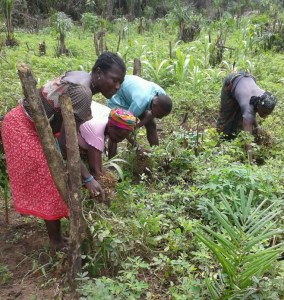 It was conceived as a way to quickly help women earn income again. We started small with 30 women, supplying each with enough peanut seed for a half-acre garden and other vegetable seed like cucumbers and corn. They also got a 50Kg (100-pound) bag of rice to feed their families before their harvest.
 hat may not sound like much, but it was three times more than the women would make in cash in a whole year of traditional rice farming, an incredibly labor intensive crop. And they still had the rest of the year to grow rice and do fishing in the Bumpeh River.
![13177990_689055534567081_9185847638175857474_n[1]](https://sherbrofoundation.org/wp-content/uploads/2016/05/13177990_689055534567081_9185847638175857474_n1.jpg)
 The 2014-15 farming year was exceptionally hard with Ebola. The first group of women peanut farmers unfortunately didn’t become self-sufficient with just one peanut crop in 2015. They were forced to eat a large part of their first peanut harvest to avoid hunger. But this allowed them to save some of the previous year’s rice as seed to grow their next rice crop. We’re giving these first 30 women partial support again in the current project to ensure they can make enough profit in 2016 to go from there.
 During an April 6 public program Sherbro Foundation hosted in Cincinnati, Chief Caulker told the rapt gathering about the stark realities of life in Bumpeh Chiefdom. Conditions actually have worsened in the last 20 years. The partial recovery following a brutal 11-year rebel war was dealt a big setback with the recent Ebola epidemic. People are struggling to feed their families.


 It was three years ago today Sherbro Foundation got our certificate declaring we are a State of Ohio nonprofit corporation.
 The pieces are falling into place for Rotifunk’s first computer center, a project over four years in the making. When we first identified a proposal to teach computer literacy in 2011, we had no computers, no building and no power. Nor did we know where we’d get any of these. No one in town had a computer, and only three teachers had any PC skills.
 Our local partner, the Center for Community Empowerment and Transformation, CCET, started teaching adults in the living room of a borrowed house. There was only room for ten students at a time, but it was a start. Then Ebola hit in mid-2014 and all public gatherings were banned. Classes stopped.


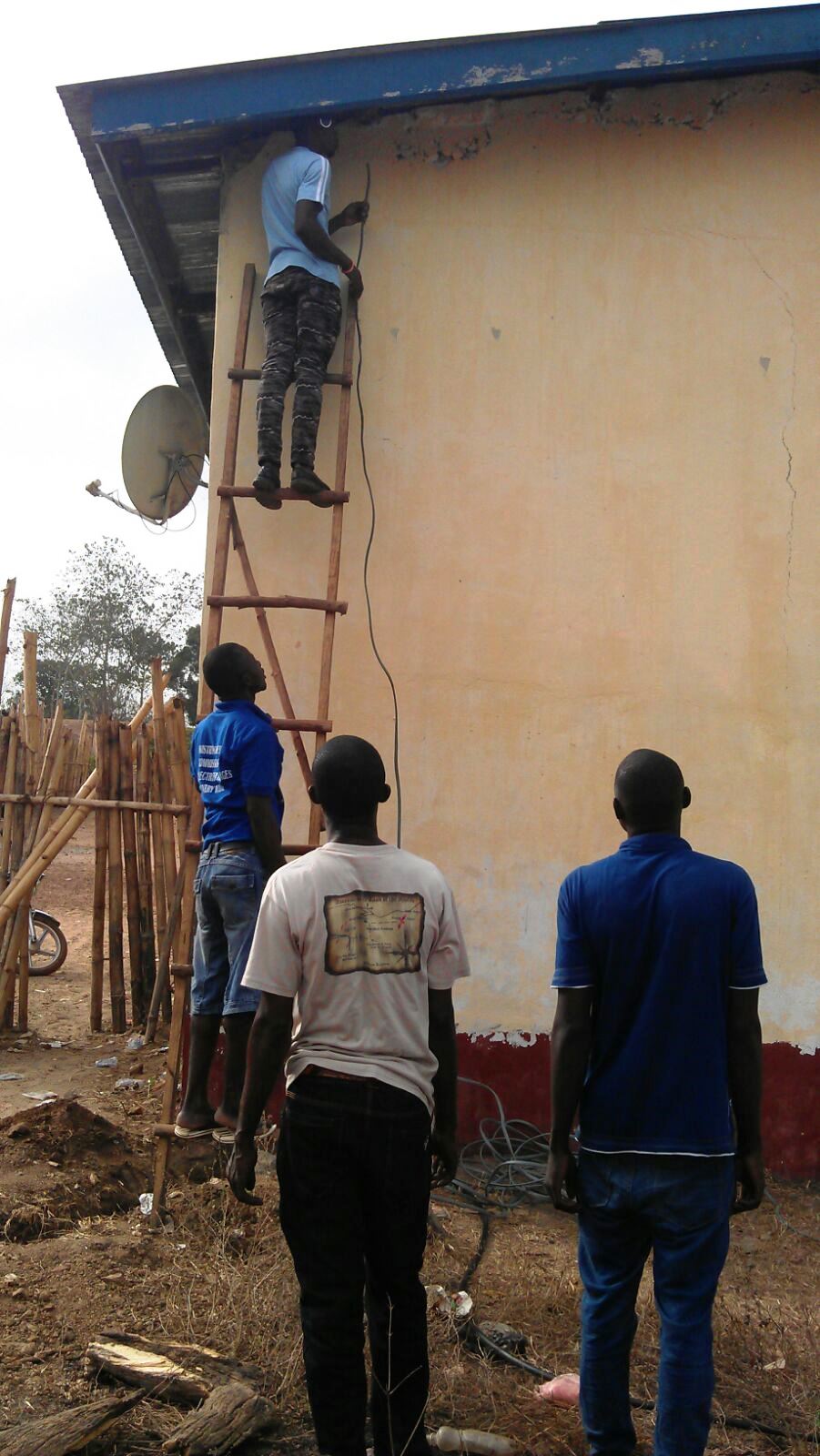
 est you think we’re now all set, well, not quite. I’ve learned a lot about solar systems and their capacity. The parent system we’re drawing from, shown here, is considered large at 5000 Watts. We’ll be able to use 3000 – 4000 Watts on most days. But this will just cover basic operation of the computer center running 25 laptops at a time, a twenty 11 W LED lights, six small ceiling fans and a desktop printer.
 I just had to share this recent comment on my

 Some gifts you remember.
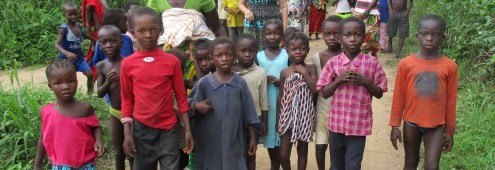
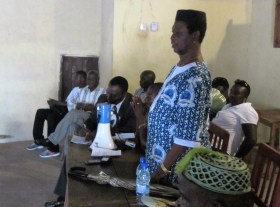
 I was grateful to work with our remarkable partner, the Center for Community Empowerment & Transformation who volunteer their efforts to protect and now develop their chiefdom. They shifted from fighting Ebola to reopening schools closed for nine months to restarting our projects without missing a beat – all within a few months.
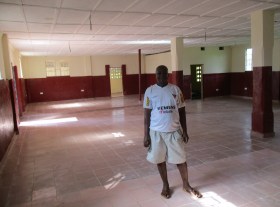 I was grateful to see the computer center built during the Ebola outbreak finished. The floors are tiled floors and it’s wired for power we’ll bring over from a nearby solar system. Come February, we should be able to start initial computer and adult literacy classes.
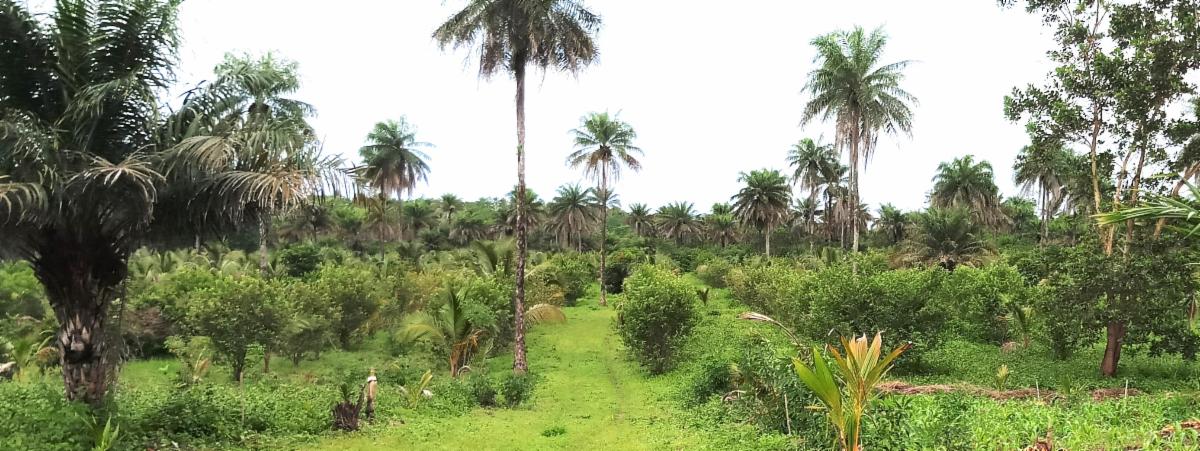
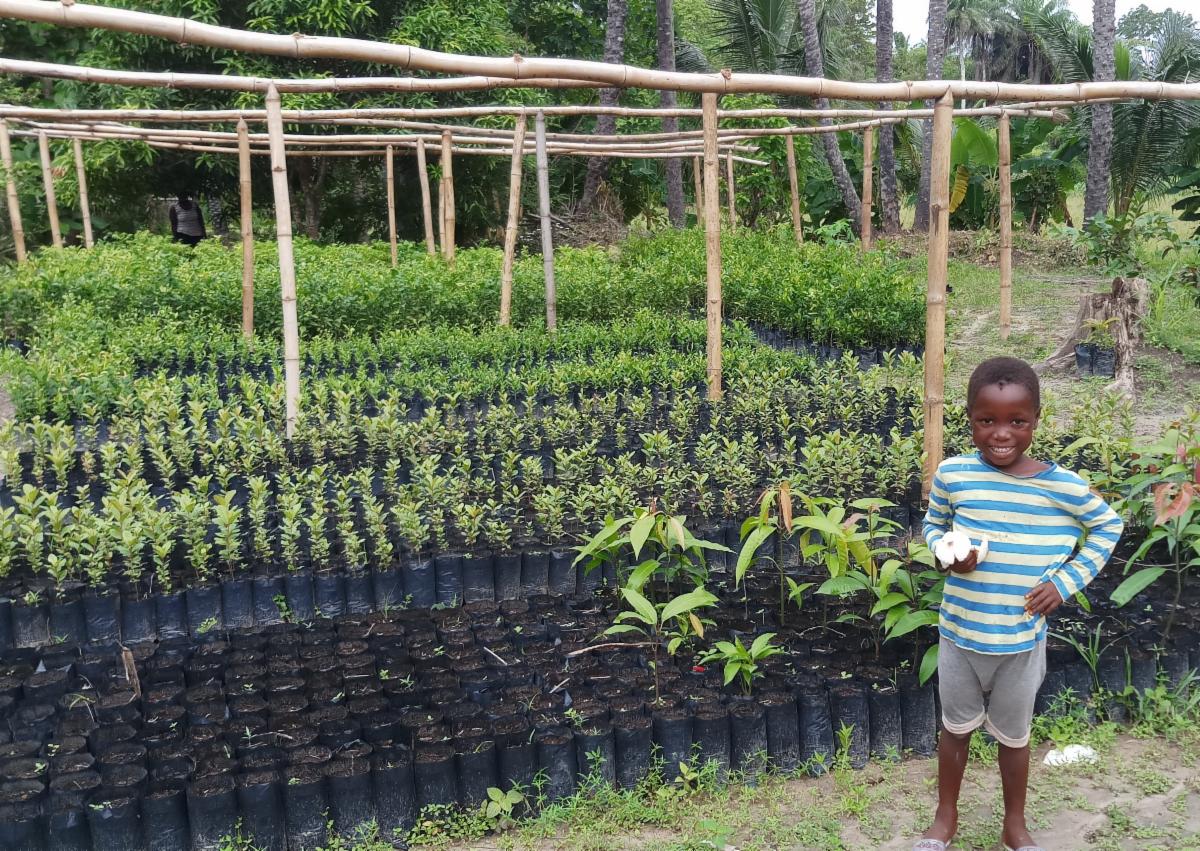
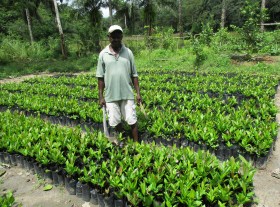 I was grateful to see our dream of transforming the chiefdom by planting fruit trees is becoming reality. 15,000 tree seedlings were planted this year that will transform six villages economically and environmentally. I saw thousands more fruit trees started from seed growing in two tree nurseries, awaiting planting in next year’s village orchards. And plans to start thousands more in January – February.
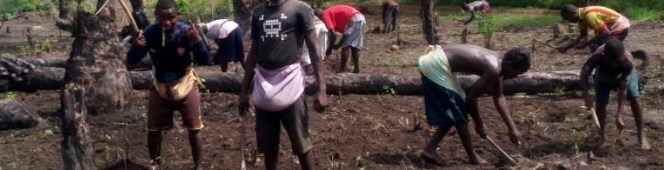
 I was grateful to see firsthand the work spreading to the community level. More than a hundred people in six villages took ownership to clear 10-20 acres each and plant their community orchards. Orchards that will provide income for them to build schools, dig wells, send their children to school and protect the environment for years to come.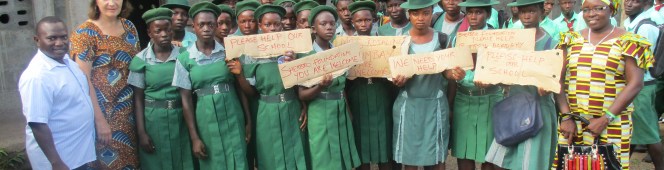

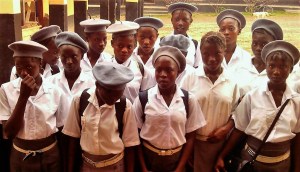 Walter Schutz Memorial Secondary School students
 Scholarship awardees from three schools flanked by CCET Executive Director, Mrs. Rosaline Kaimbay (left) and CCET Child Welfare program director, Abdul Foday (lower right). Schools left to right: Walter Schutz SS, Ahmadiyya SS, Bumpeh Academy SS
 Ahmadiyya Islamic Secondary School students
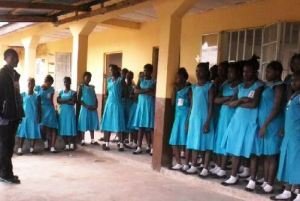 Earnest Bai Koroma Junior Secondary School in Mosimbara village, Bumpeh Chiefdom’s newest secondary school. Children from small villages can start secondary school here close to home, and later transfer to Rotifunk for senior high.
 Vain Memorial Primary School, serving six villages in Bellentine Section. Primary school students got 2 uniforms each. Mothers of many children in this school are in our Women’s Vegetable Growing project.
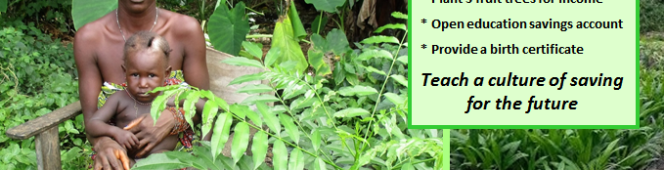
 I’m just back Sunday from a month in Sierra Leone. Word is getting out to Bumpeh Chiefdom families about the Newborn Baby program. Kadijatu Kamara seen here presented herself to me with one-week-old Sheikfuad. She wanted to get him registered so he’ll have his education fund bank account opened and get three fruit trees to plant.




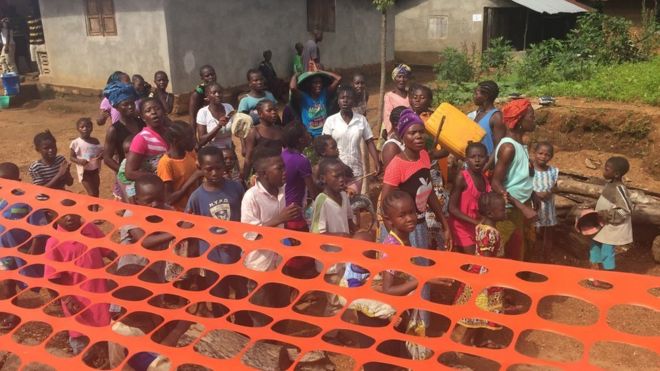





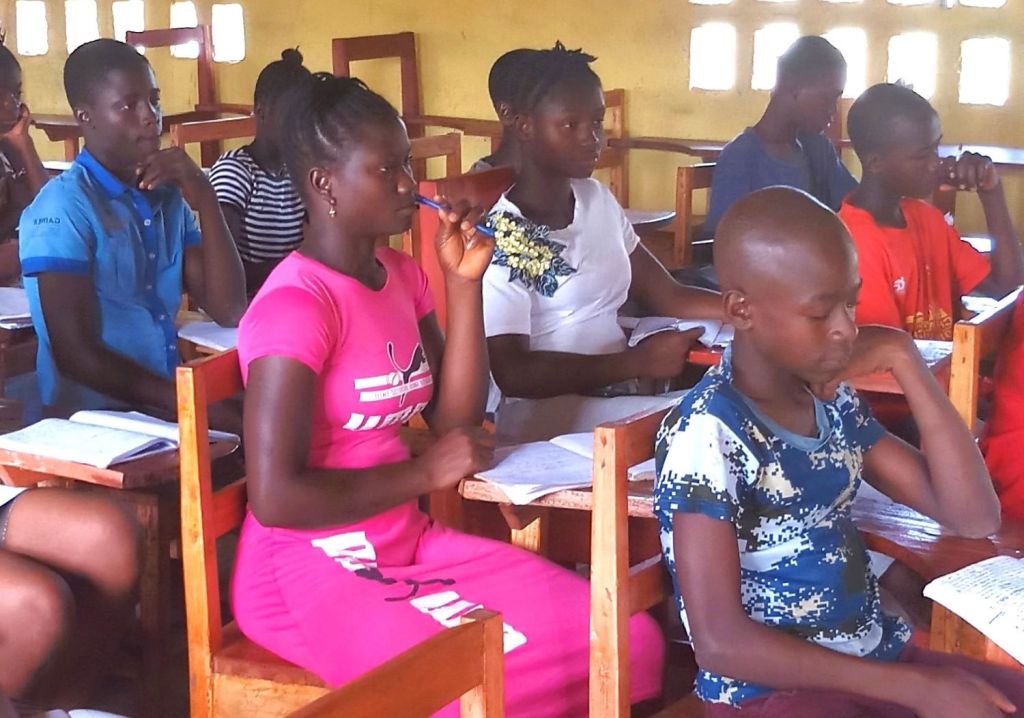






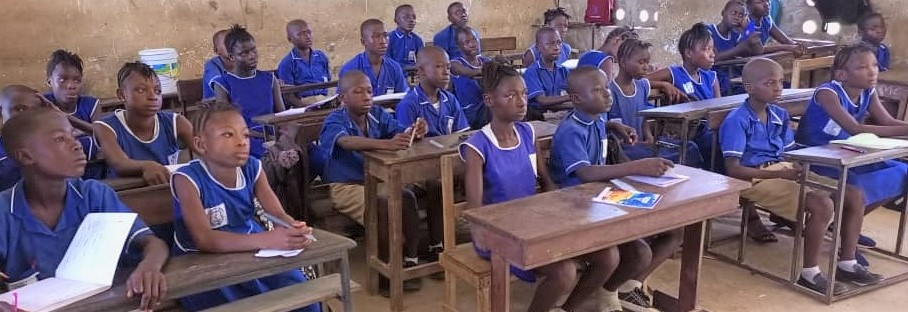
 96% of 9th graders passed
 63% of 12th graders met university entrance requirements
 Our first university graduate!
 All teachers in-training pass to 2nd
  9 of 10 Vocational students
 Primary School Tutorials
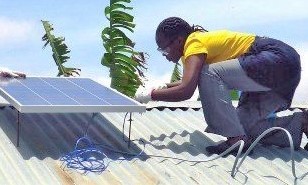 Vocational Scholarships
 Nursing & University Scholarships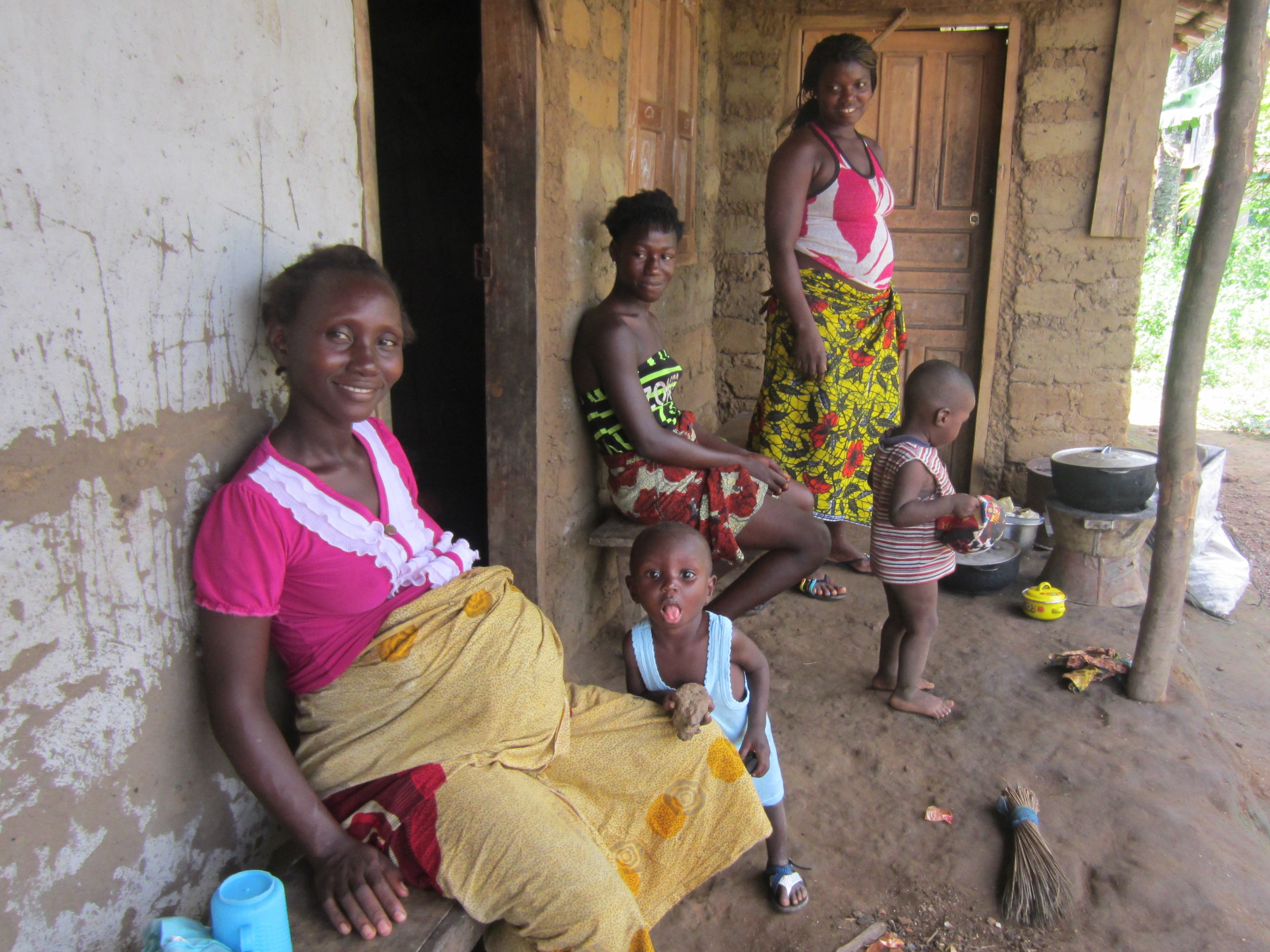
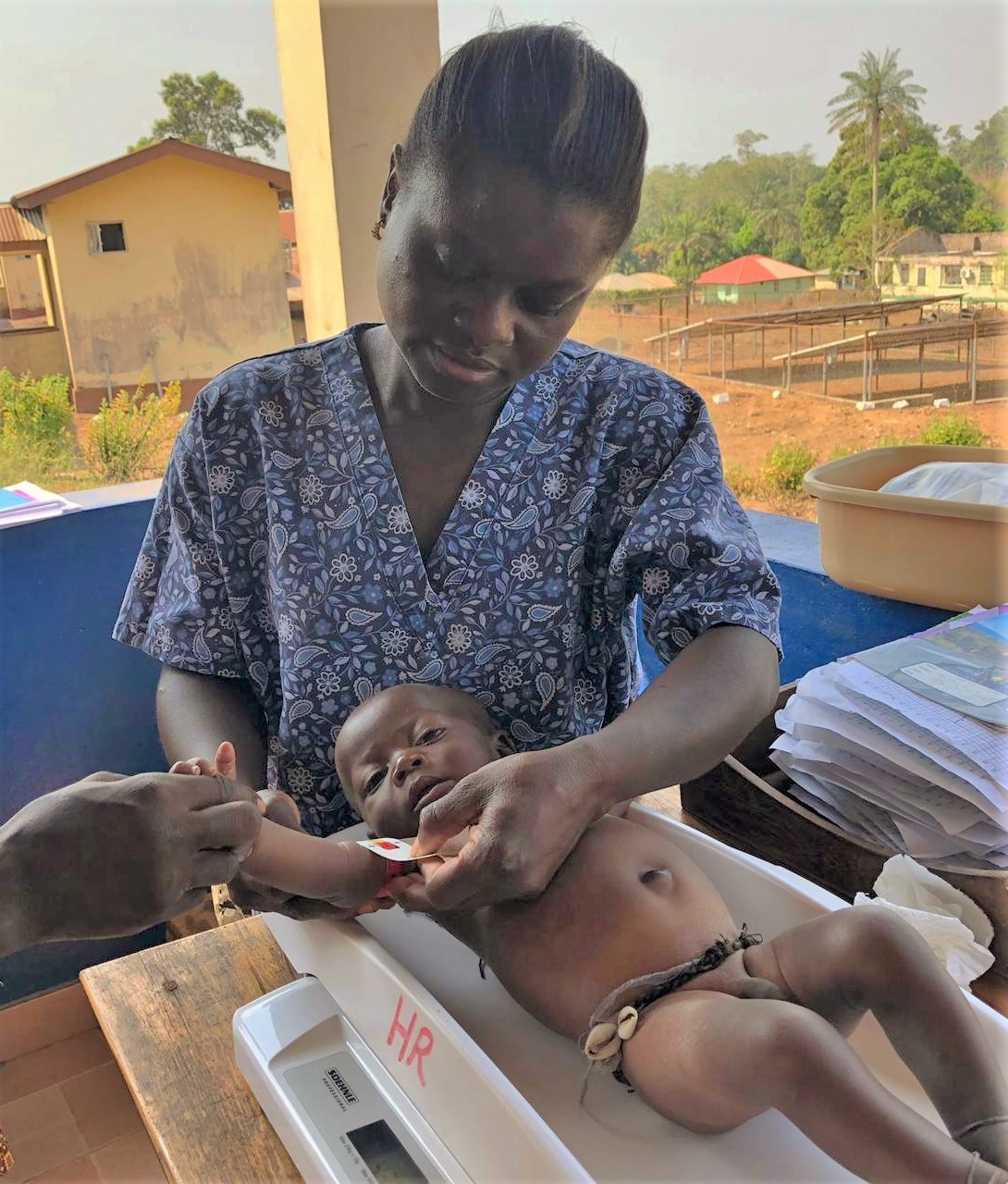
 Nursing student Fatmata, left, said she now proudly tested her ill widowed mother for malaria and typhoid and administered the right treatment. “Thanks to Sherbro Foundation and CCET for transforming me,” she said.
 Sherbro Foundation